
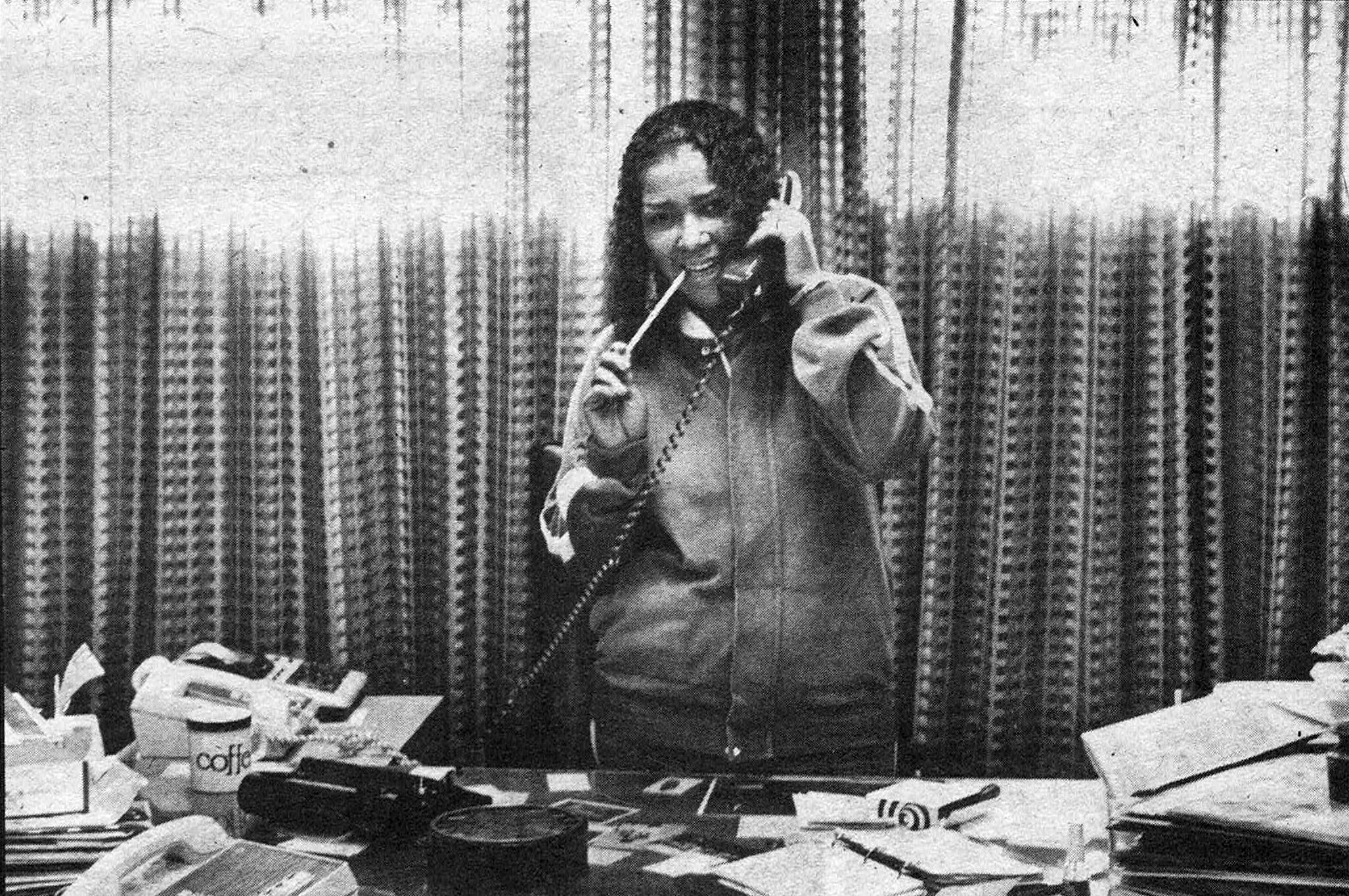
Sylvia Robinson’s place in hip-hop history is unusual because she entered the story with decades of music-business experience already behind her. Before Sugar Hill Records, she had been a performer, songwriter and producer. When rap began drawing crowds in the late 1970s, she recognized something the established record business was still unsure how to package.
GRAMMY’s histories describe Robinson as the co-founder of Sugar Hill Records and the producer who assembled the Sugarhill Gang for “Rapper’s Delight.” That decision helped move rap from a predominantly live culture into a commercially distributed record format.
Robinson understood records before rap had a record-business template
Her earlier career matters. She had already experienced the industry as an artist, including the duo Mickey & Sylvia, before operating labels and studios.
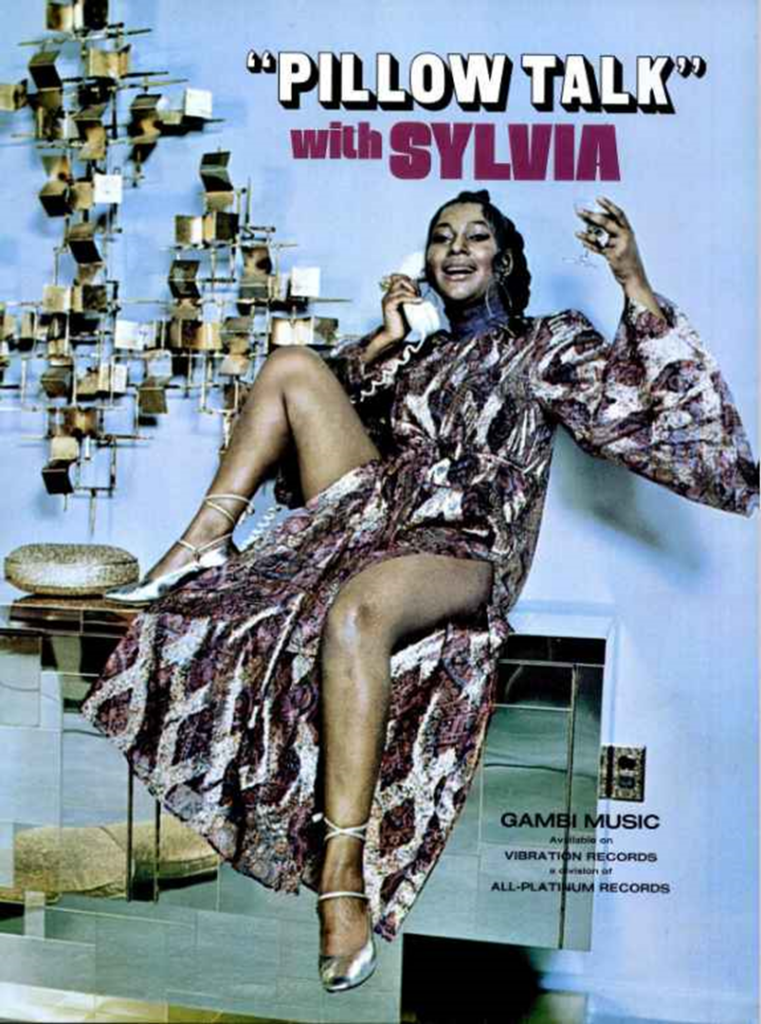
That meant she approached rap with a producer-executive mindset: find performers, create a record that translates the live energy, manufacture it, distribute it and build a label around the response.
Explore modern creator gear: browse Home Studio Gear at GearReady.
“Rapper’s Delight” turns a live practice into a sellable record
Hip-hop already existed before Sugar Hill Records. DJs and MCs were performing at parties, parks and clubs. Robinson’s business breakthrough was recognizing that the experience could be restructured for a commercial single.
She assembled Wonder Mike, Big Bank Hank and Master Gee as the Sugarhill Gang and produced “Rapper’s Delight.” The record became the first rap single to reach the Billboard Hot 100 Top 40, demonstrating that rap could move through national and international record markets.
The “Good Times” relationship reveals early industry tension
The backing groove closely recreated Chic’s “Good Times.” GRAMMY’s sampling history notes that Nile Rodgers and Bernard Edwards challenged the use, eventually receiving songwriting credit.
This moment matters because early rap records were translating a DJ culture built around playing other records into an industry built around ownership, publishing and recorded masters. The rules of the live party and the rules of commercial release were not the same.
Explore recording hardware: browse computer recording equipment on Amazon.
Sugar Hill Records becomes an early rap institution
Once “Rapper’s Delight” proved there was a market, Sugar Hill became one of the defining early rap labels. Robinson’s role was not simply to sign acts. She shaped recordings, paired performers with studio resources and helped decide which parts of a live culture could work on record.
That producer-executive combination is why her story belongs in both artist history and music-business history.
Her role in “The Message” broadens the label’s legacy
GRAMMY identifies Robinson as a co-producer of “The Message,” the 1982 Grandmaster Flash & the Furious Five single that shifted rap’s public image toward social observation.
The label that had helped break rap commercially was now also associated with one of the records that expanded what mainstream audiences understood rap to be about.
Explore music-making tools: browse Amazon Best Sellers in Musical Instruments.
Robinson’s story complicates simple narratives about early hip-hop
Hip-hop was created by communities, DJs, MCs, dancers and artists before record companies knew what to do with it. At the same time, the recorded history most people can still hear depended on producers, studios, labels and distribution.
Robinson sits at that point of translation. She did not create the culture, but she played a major role in turning portions of it into commercial recordings that traveled far beyond New York.
Why the business side deserves its own map
Following Robinson leads to Sugar Hill Records, the Sugarhill Gang, Grandmaster Flash & the Furious Five, publishing disputes, studio musicians and the early economics of rap records.
That network helps explain why PCMusicMax separates “who performed the song?” from “who produced it?”, “who released it?” and “who controlled the underlying rights?”
Continue exploring
Read From “Good Times” to “Rapper’s Delight” for the recording relationship, then move to Grandmaster Flash & the Furious Five for the group and “The Message” context.
Sources and research notes
- GRAMMY — Sylvia Robinson and Sugar Hill Records
- GRAMMY — “Rapper’s Delight,” “Good Times” and early sample/credit history
- Rock & Roll Hall of Fame — Sylvia Robinson
- Wikimedia Commons — Sylvia Robinson office photograph and U.S. rights record
- Wikimedia Commons — 1973 “Pillow Talk” advertisement and U.S. rights record