
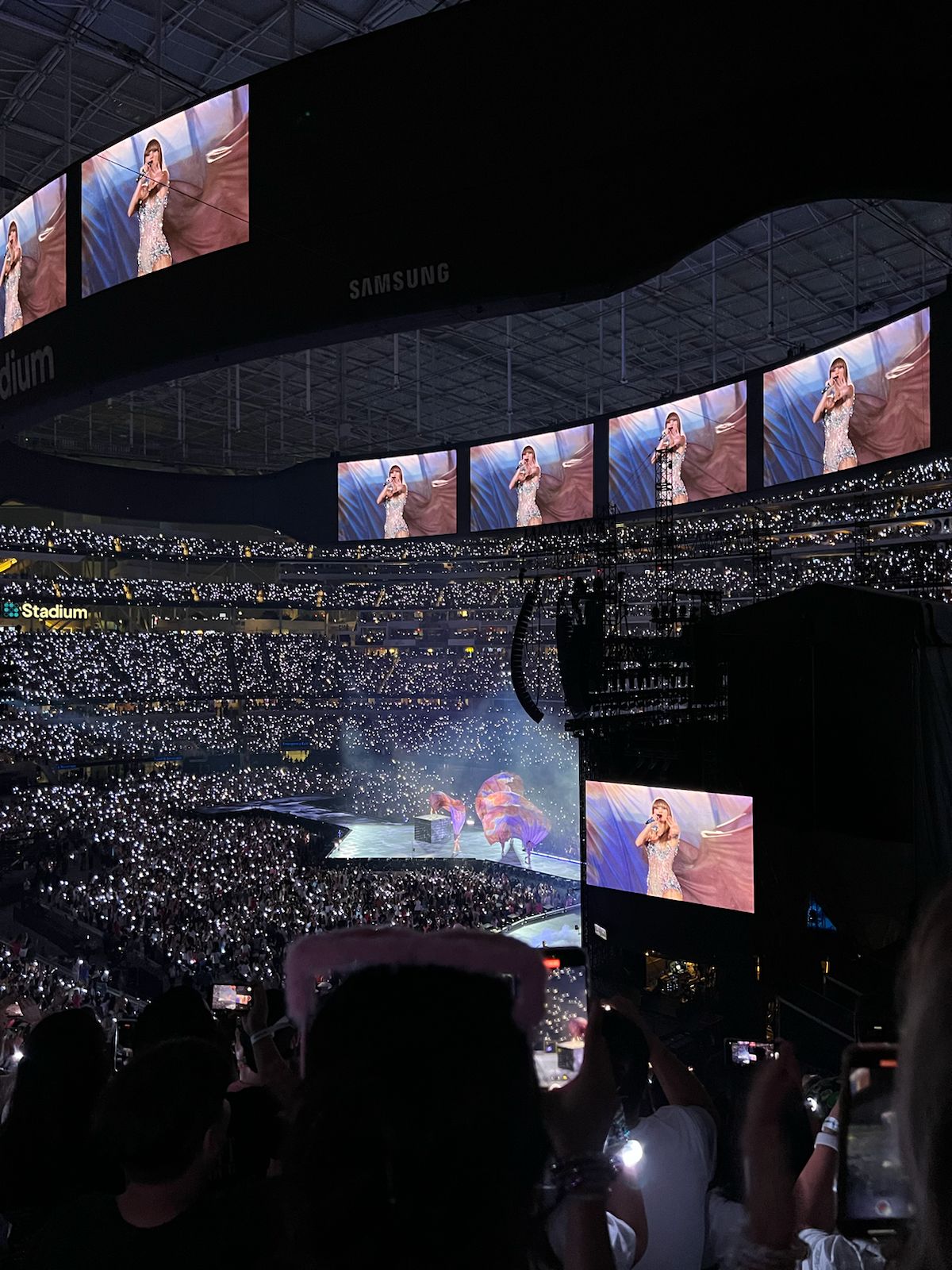
The 2026 MTV VMAs winners offer a useful snapshot of where music-video culture stands right now. Taylor Swift won Video of the Year and became the most-awarded artist in VMA history. Madonna led the ceremony with seven wins across artist, collaboration, dance, album, cinematography, choreography and long-form categories. BTS converted one song into a three-award run, while LISA, Cardi B, Bruno Mars, Olivia Rodrigo, Bad Bunny, Ella Langley and Sienna Spiro each won important genre or career awards. The ceremony also gave creators a rare mainstream window into direction, editing, art direction, cinematography, choreography and visual effects as distinct crafts.
PCMusicMax is approaching the VMAs differently from a television recap site. The focus here is the music, official videos, artist catalogs, directors, production choices and long-term relationships behind the winners. The official category results come from MTV/Paramount’s 2026 winners release, while current-event details are cross-checked against Reuters and other reputable reporting. Where a section discusses a specific winning song or video, the embedded YouTube reference is the closest official or authorized full-length video available for that subject. No Shorts, duplicate embeds or unofficial VMA re-uploads are used.
Last updated September 28, 2026. Award results and same-day audience figures reflect information available after the September 27 ceremony.
Quick read: Taylor Swift won Video of the Year for “The Fate of Ophelia” and received the first MTV VMA Artist Director Honors. Madonna won seven awards, the most of the night. BTS won Song of the Year, Best K-Pop and Best Group. LISA won Best Pop, Sienna Spiro won Best New Artist, and Nirvana received the Video Vanguard Award.
2026 MTV VMAs winners at a glance
The cleanest way to understand the night is to separate the headline prizes from the craft and social categories. Taylor Swift took Video of the Year for “The Fate of Ophelia,” while Madonna won Artist of the Year and Best Collaboration with Sabrina Carpenter for “Bring Your Love.” BTS won Song of the Year for “Swim,” and Sienna Spiro was named Best New Artist. LISA, Cardi B featuring Kehlani, Bruno Mars, Olivia Rodrigo, Bad Bunny and Ella Langley won the main pop, hip-hop, R&B, alternative, Latin and country categories. Put together, those results show a ceremony rewarding several different kinds of success rather than one dominant sound or one visual formula.
The official list also makes clear how much MTV still values the music video as a made object rather than just a promotional clip. Taylor Swift won Best Direction for “Opalite,” PinkPantheress won Best Art Direction for “Stateside + Zara Larsson,” Madonna won Best Cinematography and Best Choreography for Confessions II – The Film, Sabrina Carpenter won Best Editing for “House Tour,” and Ariana Grande won Best Visual Effects for “hate that i made you love me.” Madonna also won Best Long Form Video and Best Album for Confessions II, while Ariana Grande took Song of Summer. Nirvana received the Video Vanguard Award, and Swift received the inaugural Artist Director Honors. That combination of headline and craft prizes is why this guide treats the VMAs as a map of songs, videos and creative departments rather than a simple winner list.
| Category | Winner | Winning work |
|---|---|---|
| Video of the Year | Taylor Swift | “The Fate of Ophelia” |
| Artist of the Year | Madonna | Artist award |
| Best Collaboration | Madonna & Sabrina Carpenter | “Bring Your Love” |
| Best Dance | Madonna | Confessions II – The Film |
| Best New Artist | Sienna Spiro | Artist award |
| Best Pop | LISA | “Dream” feat. Kentaro Sakaguchi |
| Song of the Year | BTS | “Swim” |
| Best Hip-Hop | Cardi B feat. Kehlani | “Safe” |
| Best R&B | Bruno Mars | “I Just Might” |
| Best Alternative | Olivia Rodrigo | “the cure” |
| Best Latin | Bad Bunny | “NUEVAYoL” |
| Best K-Pop | BTS | “SWIM” |
| Best Country | Ella Langley | “Choosin’ Texas” |
| Best Direction | Taylor Swift | “Opalite” |
| Best Art Direction | PinkPantheress | “Stateside + Zara Larsson” |
| Best Cinematography | Madonna | Confessions II – The Film |
| Best Editing | Sabrina Carpenter | “House Tour” |
| Best Choreography | Madonna | Confessions II – The Film |
| Best Visual Effects | Ariana Grande | “hate that i made you love me” |
| Best Group | BTS | Group award |
| Best Long Form Video | Madonna | Confessions II – The Film |
| Best Album | Madonna | Confessions II |
| Song of Summer | Ariana Grande | “hate that i made you love me” |
| Video Vanguard | Nirvana | Special award |
| MTV VMA Artist Director Honors | Taylor Swift | Special award |
Taylor Swift made VMA history with “The Fate of Ophelia” and a new artist-director milestone
Taylor Swift’s “The Fate of Ophelia” won Video of the Year, giving the night its clearest headline result. Reuters reported that Swift finished the ceremony with three wins and reached 33 career VMAs, moving past Beyoncé’s previous total of 30. The number matters because the VMAs have followed Swift across multiple phases of her career, from performance-centered pop videos to increasingly self-directed work. Her 2026 showing was therefore not just another trophy night; it represented MTV formally recognizing the visual authorship she has been building around her catalog. The result also gave “The Fate of Ophelia” a second life as an awards-season object rather than only a single from The Life of a Showgirl.
The Artist Director Honors made that authorship explicit. MTV gave Swift the inaugural version of the award, and she separately won Best Direction for “Opalite,” while the new “Patient Zero” video premiered during the telecast with Dakota Johnson and Colin Farrell in the cast. Reuters reported that Swift has written and directed 18 of roughly 60 career videos, which helps explain why MTV created a distinction centered on artists taking direct visual control. PCMusicMax will treat “Patient Zero” as a separate deep-dive once the official public YouTube upload is available rather than embedding an unofficial copy. For this guide, “The Fate of Ophelia” is the correct video reference because it is the actual Video of the Year winner.
Madonna’s seven-win night showed how one album can become a complete visual system
Madonna won more awards than any other artist at the 2026 VMAs, finishing with seven. Her wins included Artist of the Year, Best Collaboration with Sabrina Carpenter for “Bring Your Love,” Best Dance, Best Cinematography, Best Choreography, Best Long Form Video and Best Album. The center of that run was Confessions II and its companion film, which allowed one project to compete simultaneously as music, performance, cinematography, choreography and long-form visual storytelling. That is a smarter creative strategy than treating every category as a separate campaign. The project becomes the campaign.
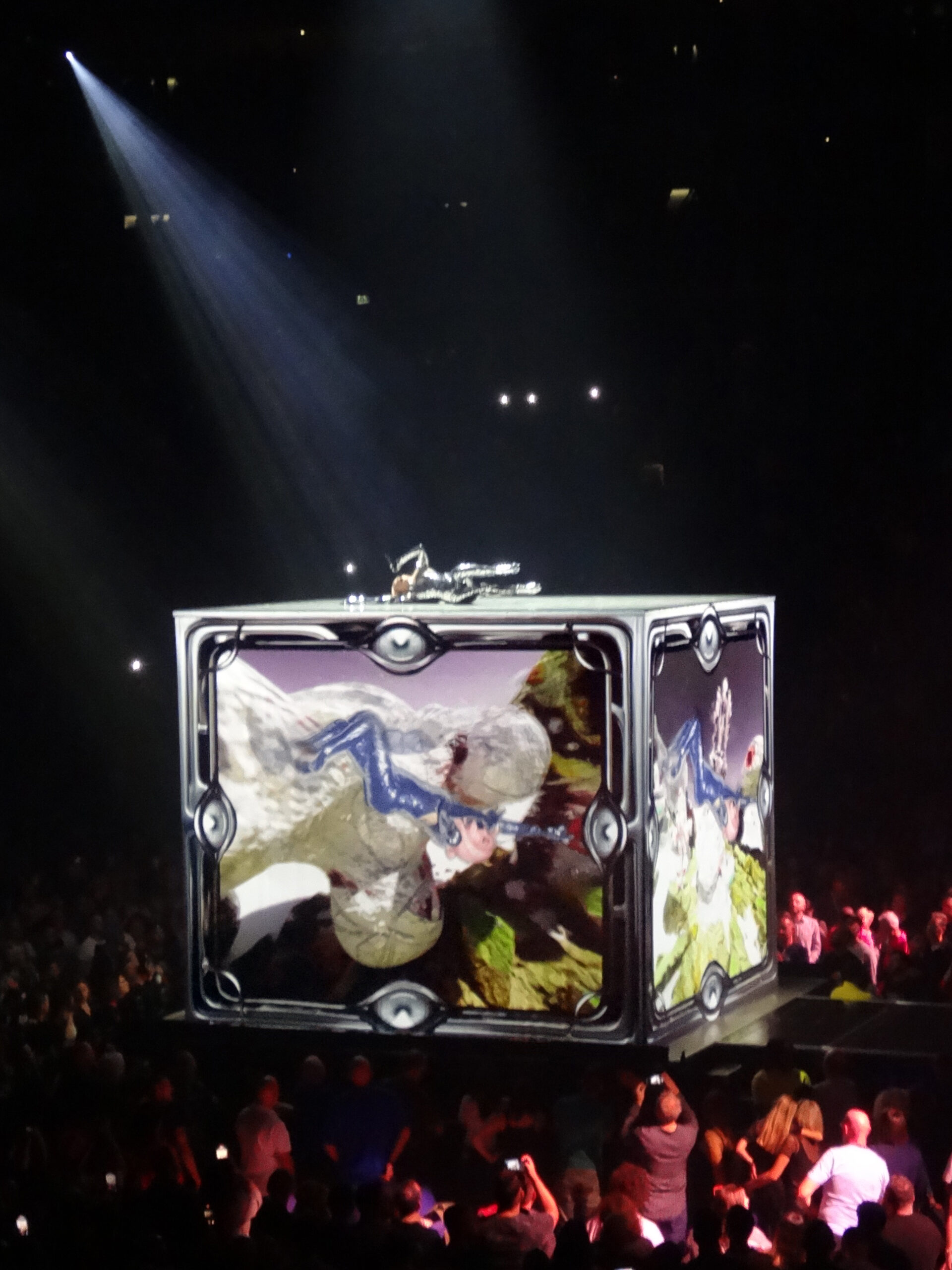
That sweep also fits Madonna’s unusually long relationship with MTV. She returned to the VMA stage for her first performance there in 23 years and opened the show with recent collaborations, including Sabrina Carpenter on “Bring Your Love” and Charli XCX on “Danceteria Afterhours.” The performance tied a current album cycle to an awards history that stretches back to the first VMAs in 1984. More importantly, the awards themselves were not nostalgia trophies: they were attached to current work and current craft categories. Confessions II – The Film is therefore the right object to study if you want to understand how Madonna turned one album era into a cross-category visual package.
BTS turned “Swim” into a three-part win across song, genre and group identity
BTS left the 2026 VMAs with one of the cleanest multi-category stories of the night. “Swim” won Song of the Year and Best K-Pop, while BTS also won Best Group. Those categories reward three different layers of the same act: the song itself, the group’s place inside K-pop, and BTS as a continuing group brand. Winning all three suggests that the release connected beyond a single specialist category. It also reinforces how fully K-pop has moved into the center of the VMA ecosystem rather than operating as a side lane.
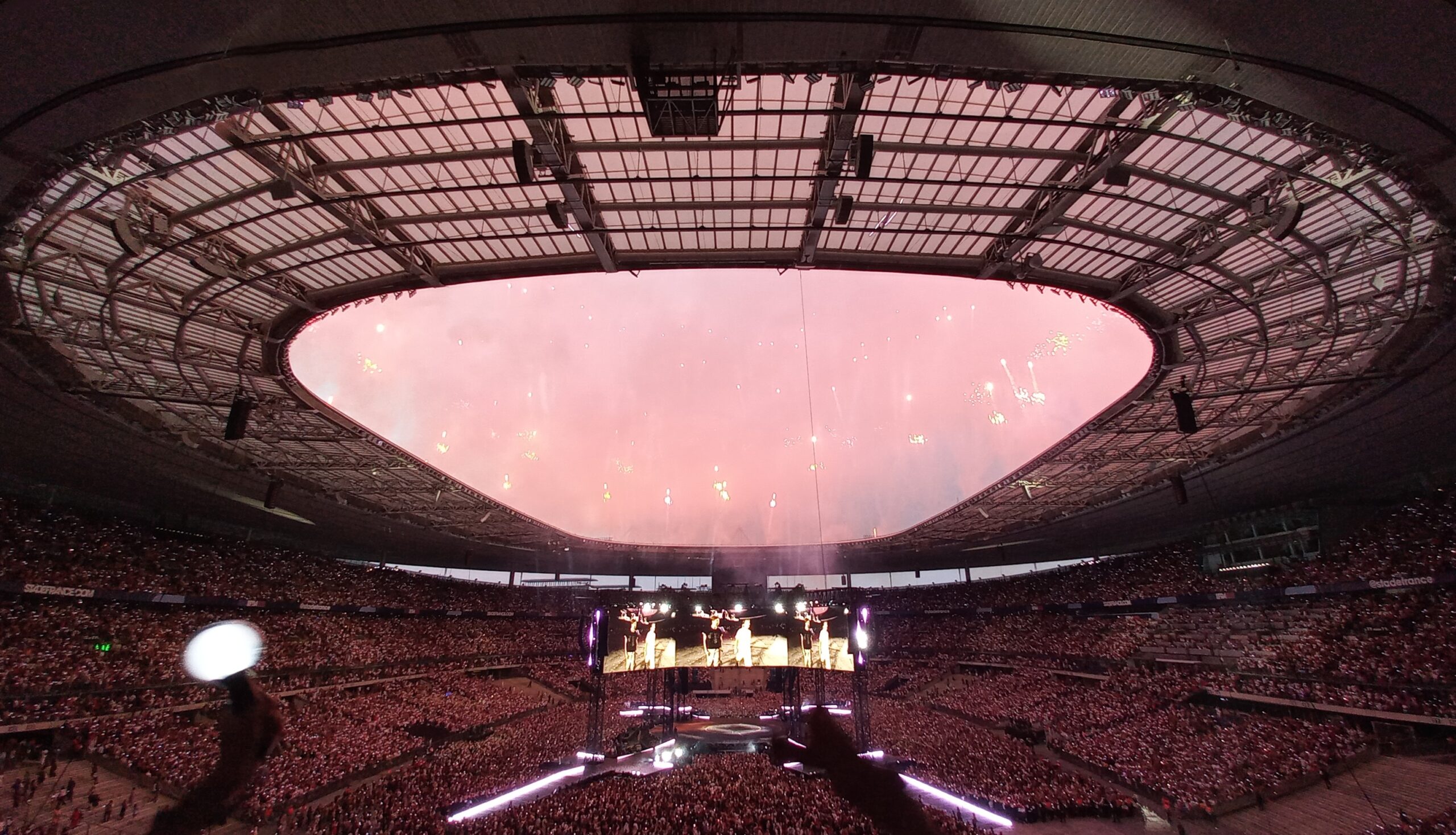
The official performance video is especially useful because it shows why the song works as a group vehicle. Choreography, camera blocking, formations and vocal handoffs all reinforce the identity of BTS as a unit rather than seven unrelated performers sharing a song. That distinction matters in an era when group members can have major individual careers while the group name still carries its own musical meaning. The win also gives PCMusicMax several future relationship paths: producer and songwriter credits, choreography, K-pop video production and the group’s broader 2026 catalog. For this overview, the performance video gives the most direct musical context.
LISA won Best Pop with “Dream,” a music video that behaves like a short film
LISA’s “Dream” featuring Kentaro Sakaguchi won Best Pop, and the visual form helps explain why the record stood out. The official release is explicitly presented as a short-film music video rather than a basic performance clip. That framing gives character, setting and narrative pacing more importance than choreography alone. It also lets LISA operate as both music star and screen presence inside the same piece. In a crowded pop field, that kind of visual distinction can be more memorable than another expensive stage set.
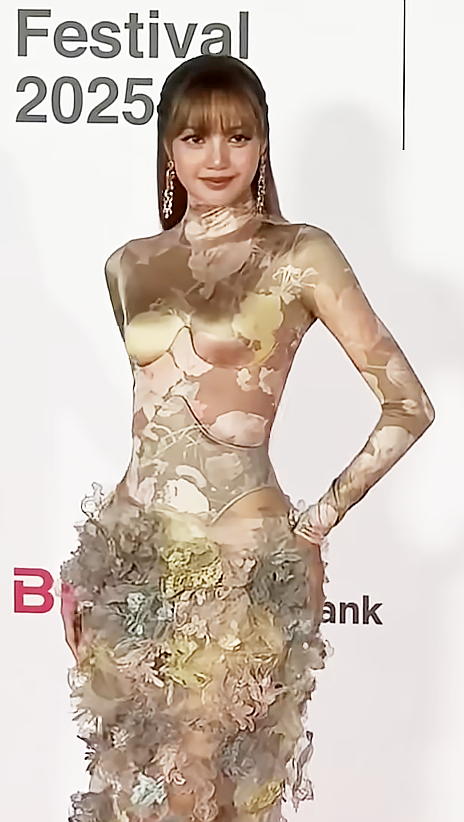
The win also creates an interesting contrast with BTS. BTS dominated through group performance and a song-centered award, while LISA’s solo win depended heavily on a visual that places cinematic storytelling at the center of the experience. Both approaches belong inside K-pop’s global reach, but they solve different creative problems. “Dream” is less about demonstrating group precision and more about building a self-contained emotional world around one song. That is exactly the kind of distinction PCMusicMax should preserve when comparing music videos rather than flattening them into one genre label.
Shopping links may support PCMusicMax at no extra cost to you.
Creator takeaway: if these production-heavy videos make you want to build a more capable recording workflow, explore Home Studio Gear at GearReady. The gear supports the workflow; it does not substitute for direction, arrangement or creative judgment.
Cardi B and Kehlani won Best Hip-Hop with “Safe” by making the collaboration feel structural
Cardi B featuring Kehlani won Best Hip-Hop for “Safe.” The pairing works because the featured artist is not treated as a disposable chorus add-on. Cardi’s rap sections and Kehlani’s melodic presence create a deliberate contrast in tone, giving the record two complementary centers. That makes the collaboration more interesting than a simple name-stacking exercise. The video reinforces that contrast by giving both performers visual space instead of treating one as a cameo.
The award also matters because hip-hop video categories can easily become proxy popularity contests. “Safe” gives critics and fans something more concrete to discuss: how rap performance, melodic R&B phrasing and two-star screen presence can be arranged inside one visual. The result belongs in a broader PCMusicMax cluster about rap/R&B crossover and collaboration structure. It also creates a clean comparison point with Kehlani’s solo work, where the same vocal character has to carry the entire record. For this article, the official music video is the most relevant artifact because it is the exact winning work.
Bruno Mars won Best R&B with “I Just Might,” where performance craft is the whole visual language
Bruno Mars won Best R&B for “I Just Might,” a video built around a strength that has defined much of his career: tightly controlled performance. Wardrobe, movement, band energy, framing and retro-modern styling all work together rather than competing for attention. That cohesion makes the clip feel effortless even though the execution is highly designed. Mars has repeatedly used this approach to make musicianship itself look cinematic. The 2026 win shows that the formula still works when the visual is disciplined enough.
The most useful lesson is that a music video does not need a complicated narrative to have a strong concept. A performance-centered video can succeed if the movement, set, styling and camera all reinforce the same musical identity. That is especially true for R&B and funk-influenced records where groove is part of the attraction. “I Just Might” is therefore a good counterpoint to LISA’s short-film model. One builds a story world; the other turns the performance itself into the story.
Olivia Rodrigo’s “the cure” won Best Alternative by keeping the video tied to the song’s emotional scale
Olivia Rodrigo won Best Alternative for “the cure.” The category label matters less than the way the official video supports the record’s emotional world without overwhelming it. Performance, pacing and visual framing stay close to the song rather than forcing a giant concept on top of it. That restraint can be harder than spectacle because the camera has nowhere to hide weak performance choices. Rodrigo’s screen presence therefore becomes a major part of the video’s effectiveness.
The win is also useful because Rodrigo was nominated elsewhere for “drop dead,” showing how one album cycle can generate visually different singles for different intents. A strong catalog does not need every video to use the same visual template. The better strategy is a recognizable artist identity expressed through multiple concepts. “the cure” demonstrates that approach in a way that keeps the song at the center. For creators, it is a reminder that visual ambition should match the emotional scale of the record.
Bad Bunny’s “NUEVAYoL” won Best Latin without reducing Latin music to one sound
Bad Bunny won Best Latin for “NUEVAYoL,” but the category should never be mistaken for a single musical style. His catalog moves across Puerto Rican, Caribbean, urbano and pop relationships, and the title itself points toward New York as part of that cultural map. The video therefore works best when read as a specific Bad Bunny visual rather than as a generic representation of “Latin music.” That distinction is important for PCMusicMax because genre labels are useful navigation tools, not substitutes for history. The record carries its own geography, references and production identity.
Winning Best Latin also demonstrates the degree to which Bad Bunny can operate simultaneously as a regional, global and mainstream artist. A VMA category can acknowledge one lane while the broader catalog crosses several. That is why the next useful step for readers is not simply another awards recap, but a relationship map: producers, collaborators, Puerto Rican scenes, New York references and the album context around the track. The official video provides the most direct entry point. It shows the winning work on its own terms before any broader genre analysis begins.
Ella Langley won Best Country with “Choosin’ Texas,” a reminder that narrative videos still work
Ella Langley’s “Choosin’ Texas” won Best Country. The song and video succeed through a traditional strength of country music: a clear narrative frame that gives the listener a place, a choice and an emotional consequence. The visual does not need to reinvent the music-video form because the job is different. It reinforces the song’s world and gives the audience concrete images to attach to the story. That is still one of the most durable functions a music video can perform.
The win also broadens the VMA picture beyond pop spectacle and high-concept direction. Not every successful video depends on elaborate effects, choreography or visual abstraction. Sometimes the highest-value creative decision is matching location, character and pacing to the lyrical premise. “Choosin’ Texas” demonstrates that alignment clearly. It belongs in the same awards show as Madonna’s long-form film and Taylor Swift’s directing work precisely because the music-video form is flexible enough to support all three.
Sienna Spiro’s Best New Artist win turned a breakout year into a durable career marker
Sienna Spiro won Best New Artist, one of the categories most likely to function as a career marker rather than a judgment on one specific video. Reuters described her music as combining pop, jazz and soul, which helps explain why the category is useful for discovery: the award points listeners toward an artist whose identity is still being defined in public. Best New Artist can age differently from song awards because the long-term question is what the artist builds afterward. Spiro’s win gives future releases a reference point that will stay attached to her career history. It also gives PCMusicMax a reason to build a proper catalog page before the story becomes stale.
Because the award is artist-centered, the cleanest embed is not a random telecast clip but a representative official performance. “The Visitor” shows her voice and presentation without pretending that one song is the exact object of the VMA. That distinction keeps the article honest about what was actually awarded. It also gives readers a useful next step if they only know Spiro from the winner list. A good awards guide should create discovery, not just record the result.
Build the audio side of your own visual work: browse computer recording equipment on Amazon for interfaces, microphones and related creator tools.
The craft awards were the most useful part of the show for filmmakers and creators
The headline categories tell us who won the biggest public prizes, but the craft categories explain how music videos are built. Direction, art direction, cinematography, editing, choreography and visual effects solve different creative problems, and the 2026 winners made those differences unusually easy to see. Instead of stacking those videos together, each winning craft below gets its own explanation and its own unique reference video. That structure is more useful for a creator trying to learn from the work. It also keeps the page readable rather than turning the section into a wall of embeds.
Madonna’s cinematography and choreography wins are already covered in the Confessions II section above, so this section focuses on three other winning craft disciplines. PinkPantheress represents art direction, Sabrina Carpenter represents editing, and Ariana Grande represents visual effects. Each video uses a different visual strategy, which is exactly why studying the categories separately matters. A viewer can ask not merely “Which video looks best?” but “Which department is creating the effect I am responding to?” That question is much more transferable to future creative work.
PinkPantheress — Best Art Direction for “Stateside + Zara Larsson”
Art direction determines the designed world a video inhabits: surfaces, props, set treatment, visual motifs and the relationship among physical spaces. “Stateside + Zara Larsson” is valuable because the visual identity is immediately legible before the viewer analyzes any individual shot. Color, texture and staging create a world that feels deliberate rather than assembled from generic locations. The art department gives the performers something specific to inhabit. That makes the environment part of the song’s personality.
The distinction from cinematography is important. Cinematography determines how the world is photographed; art direction helps determine what that world actually looks like in front of the camera. A beautifully lit generic room is not the same achievement as a deliberately designed visual environment. PinkPantheress’ win highlights that difference. For creators, it is a reminder that production design can create identity before the camera moves at all.
Sabrina Carpenter — Best Editing for “House Tour”
Editing controls the viewer’s experience of time. It determines when a joke lands, when a reveal happens, how long a look is allowed to breathe and whether a chorus feels faster or larger than a verse. “House Tour” is a useful editing study because its personality depends on timing as much as imagery. Cuts shape the comedy, performance and visual escalation instead of merely connecting coverage. The edit becomes part of the song’s rhythm.
That is why Best Editing should not be reduced to the video with the most cuts. Good editing is about choosing the right duration and transition for the intended effect. A slow shot can be as deliberate as a rapid montage if it arrives at the right moment. Carpenter’s video uses editorial timing to support character and tone. Creators studying the piece should watch once for the story, then again while paying attention only to when the cuts happen.
Ariana Grande — Best Visual Effects for “hate that i made you love me”
Visual effects are most effective when they support the video’s world rather than constantly asking to be noticed. Ariana Grande’s “hate that i made you love me” won the category because digital manipulation is integrated into the visual experience instead of behaving like a separate technology demo. The effects expand what the camera and physical set can do, but the performer remains the center of the frame. That balance is crucial. A music video still has to sell the song and the artist even when the effects pipeline is sophisticated.
The win also connects to Ariana’s Song of Summer award for the same track, giving one release both a popular-facing and a craft-facing victory. That pairing is useful because it demonstrates that technical ambition does not have to come at the expense of accessibility. The strongest effects work becomes part of the audience’s memory of the song. For small creators, the lesson is not to imitate the budget; it is to identify one visual idea and execute it consistently. Effects should solve a storytelling or mood problem, not simply announce that effects software was available.
Nirvana’s Video Vanguard award connected the 2026 ceremony directly to MTV’s own visual history
Nirvana received the 2026 Video Vanguard Award, with Dave Grohl, Krist Novoselic and Pat Smear present for the honor. The choice makes sense because Nirvana’s MTV history is inseparable from the way alternative rock became mass culture in the early 1990s. “Smells Like Teen Spirit” is not merely a successful song with a famous clip; the high-school-gym setting, cheerleaders, crowd chaos and performance staging became part of how the song itself is remembered. MTV did not create Nirvana’s importance, but repeated television exposure helped turn the video’s imagery into shared cultural memory. A Vanguard award is most meaningful when the visual catalog actually changed what audiences expected from music television.

The award also gives PCMusicMax a reason to revisit the band’s video catalog as a catalog rather than as isolated nostalgia clips. “Come As You Are,” “In Bloom,” “Heart-Shaped Box” and “Smells Like Teen Spirit” all solve different visual problems while preserving the band’s identity. That makes Nirvana a strong case study in how directors and artists create variety without losing recognizability. For this broad VMA guide, “Smells Like Teen Spirit” remains the most historically useful starting point. A separate Vanguard article can go video by video and examine the full arc in much greater detail.
Madonna’s VMA return showed how a live performance can connect generations without becoming a nostalgia act
Madonna’s opening performance mattered for more than the fact that it was her first VMA performance in 23 years. Sabrina Carpenter joined her for “Bring Your Love,” and Charli XCX appeared during “Danceteria Afterhours,” placing artists from different pop generations inside the same current-era set. That is more interesting than a tribute medley because Madonna was not only replaying old hits. She was using current collaborations to frame a career that already contains decades of MTV history. The result made the performance both retrospective and forward-looking.
The telecast also included tributes that widened the historical frame beyond the competitive awards. Kacey Musgraves performed Dolly Parton’s “I Will Always Love You,” while RAYE, Sombr, Teddy Swims, Adam Lambert and others participated in a George Michael tribute. Those moments reminded viewers that the VMAs function partly as a live archive of music-video history, not only as a current popularity contest. For this section, the authorized “Bring Your Love” release is the best stable reference because it is directly tied to Madonna and Carpenter’s award-winning collaboration. PCMusicMax is deliberately not embedding an unofficial capture of the CBS/MTV performance.
Explore instruments behind the music: browse Amazon Best Sellers in Musical Instruments.
What the 2026 VMAs revealed about the state of music videos
The strongest conclusion from the 2026 VMAs is that music videos are no longer one format with one job. A release can function as a YouTube video, short film, streaming-era campaign asset, social clip source, awards object and extension of an artist’s authorship at the same time. Taylor Swift’s awards emphasized the artist-director model, while Madonna’s sweep emphasized the album-length visual ecosystem. BTS demonstrated the continuing power of group performance, and LISA showed the short-film route. The craft winners made direction, editing, art direction and effects visible as separate disciplines instead of treating every successful clip as a vague product of “production value.”
The audience data suggests there is still room for a large television event when the show creates enough reasons to watch live. Paramount reported 8.43 million viewers across CBS and MTV, plus an MTV encore, making the 2026 VMAs the most-watched edition since 2015 and up 51% from the comparable 2025 telecast. The network also reported 31.1 million social interactions and 159 million video views tied to the event. Those are network-reported figures rather than an independent measure of every digital viewer, so they should be read as one part of the picture. Even with that caveat, the numbers support the idea that music-video culture remains commercially useful when television, streaming, social distribution and artist fandom are coordinated around the same event.
Sources and verification
This guide prioritizes primary and high-authority sources for results and current-event claims. MTV/Paramount is the governing source for official category winners, while Reuters is used to cross-check the ceremony’s major historical claims and artist milestones. Paramount’s ratings release is used for same-day audience and social-performance numbers. Variety and Warner Records provide additional reporting on “Patient Zero” and Confessions II where those details are discussed.
Video embeds were quality-controlled separately from factual sourcing. Each embedded YouTube ID was checked through WordPress’ YouTube oEmbed path before this publication pass, and duplicate video IDs were removed. The article uses only standard videos rather than Shorts, and it avoids unofficial VMA performance uploads when an authorized full-length reference is unavailable. Archival Creative Commons images are clearly labeled as archival so readers are not misled into thinking they were photographed at the 2026 ceremony.