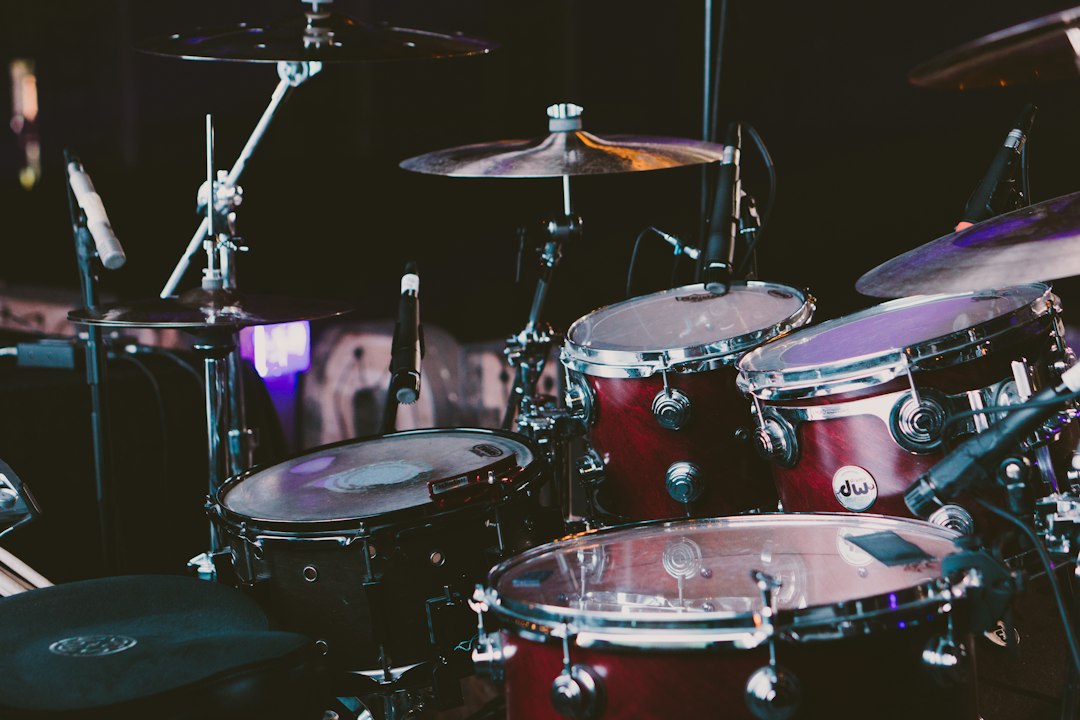
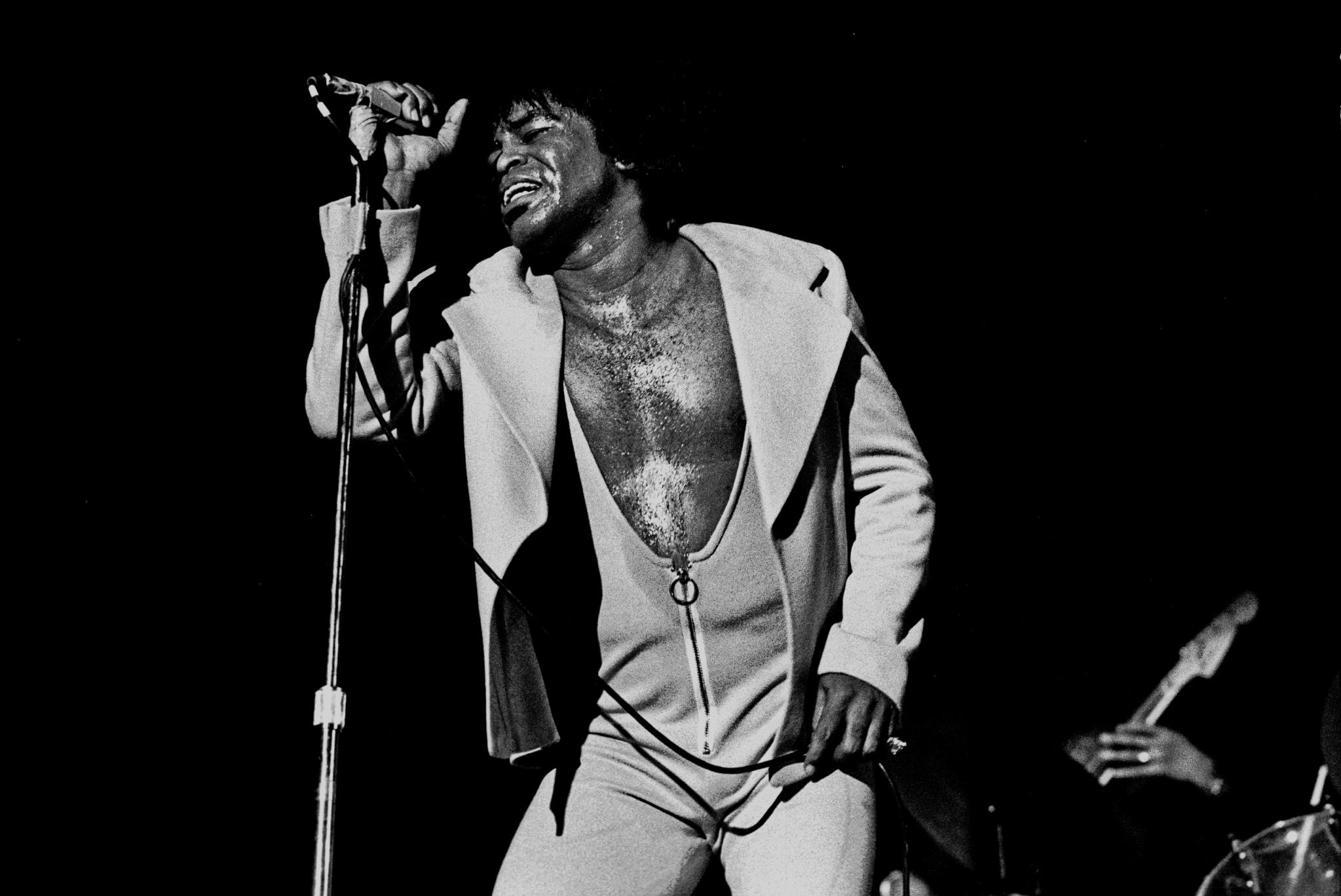
Some drum breaks are famous because they are recognizable. James Brown’s “Funky Drummer” became something bigger: a piece of recorded rhythm that producers could lift, loop, layer and transform inside entirely new records.
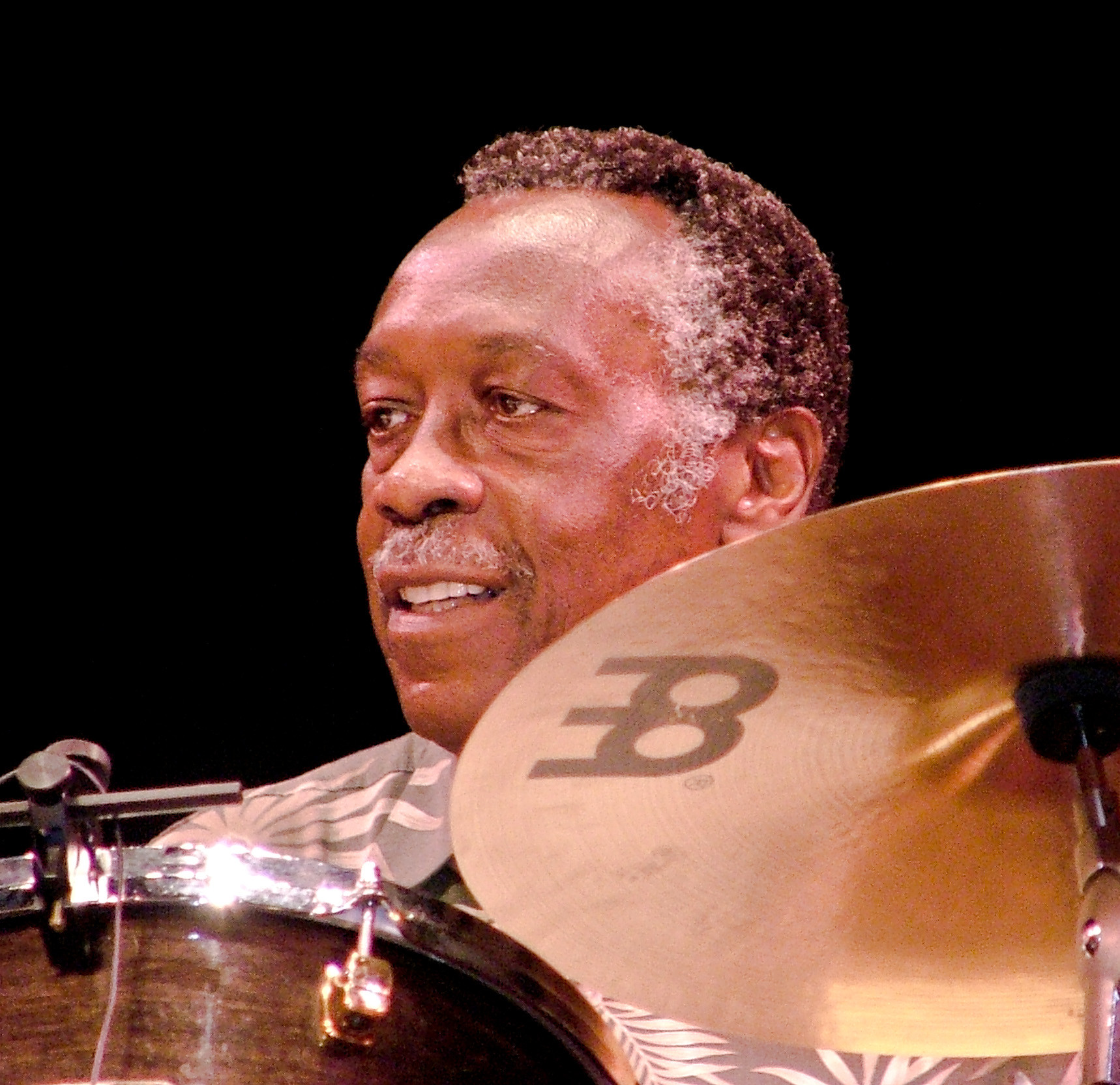
The key figure is drummer Clyde Stubblefield. His performance on the November 20, 1969 Cincinnati session supplied the break that later became one of hip-hop and pop production’s most reusable rhythmic building blocks. The original “Funky Drummer” single followed in March 1970 on King Records, catalog 45-6290. Roland’s history of the groove also notes that the longer version and “bonus beat reprise” later heard on In the Jungle Groove helped expose the break in a form especially useful to producers.
To follow that history cleanly, it helps to separate four things: the underlying composition, the specific James Brown recording, the commercial releases that carried it, and the later records that sampled its audio. That distinction is what turns a loose list of famous uses into a real sample-history map.
Why Clyde Stubblefield’s performance matters
Clyde Stubblefield’s drumming is the center of the story. MusicBrainz credits him on drum set for the long “Funky Drummer” recording, and Roland places the session in Cincinnati on November 20, 1969. The groove’s power comes from more than a loud backbeat: Stubblefield’s ghost notes, hi-hat movement and tightly controlled syncopation create a pattern that feels active even when the surrounding arrangement drops away.
That independence is exactly what made the break useful to later producers. A direct sample does not merely imitate the rhythm; it reuses recorded audio from Stubblefield’s performance. That is different from replaying the pattern with new drums, interpolating a musical idea, covering the composition, or making a new beat that only resembles the source.
The source recording in one snapshot
Work: “Funky Drummer”
Source artist: James Brown
Drummer: Clyde Stubblefield
Recorded: November 20, 1969, Cincinnati
Original single: March 1970, King Records 45-6290, two-part U.S. 7-inch
Later break-focused exposure: the extended version and “bonus beat reprise” on In the Jungle Groove
The database identifiers still matter for verification, but they do not need to interrupt the reader-facing story. They are preserved in the research sources below, where they can be checked without turning the article into a catalog dump.
Connection 1 — Public Enemy, “Fight the Power”
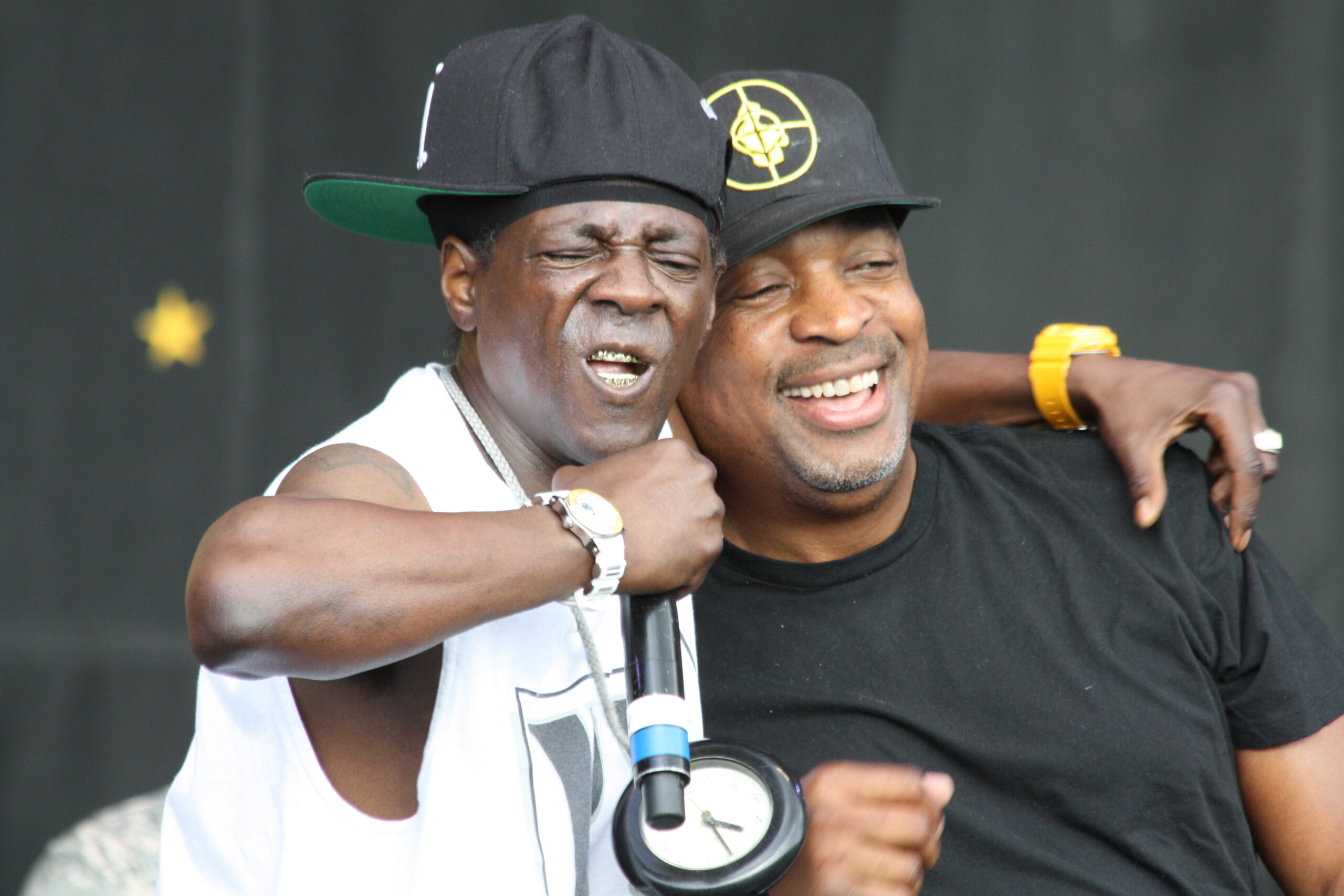
Public Enemy’s “Fight the Power” demonstrates how a small piece of “Funky Drummer” can become one layer inside a much denser production. The relationship is a direct sample, but the later record is not simply “Funky Drummer” with vocals added. The Bomb Squad surrounded the borrowed rhythm with many other fragments, noises, voices and rhythmic events until the source became part of a larger collage.
That is the useful listening lesson: sampling can preserve the physical sound of an earlier performance while radically changing its musical function. Stubblefield’s drums remain identifiable source material, but Public Enemy’s arrangement, sequencing and surrounding layers create a different record with a different purpose.
A reliable connection map therefore reads:
Source recording → James Brown, “Funky Drummer”
Relationship → direct audio sample
Target recording → Public Enemy, “Fight the Power”
Evidence → MusicBrainz recording relationship, supported by established sample documentation
Connection 2 — Dr. Dre, “Let Me Ride”
Dr. Dre’s “Let Me Ride” places the same source material in a very different production environment. MusicBrainz release data identifies “Funky Drummer, Part 1” among the track’s sampled sources, but the surrounding record moves with the slower, roomier feel associated with The Chronic and early-1990s G-funk.
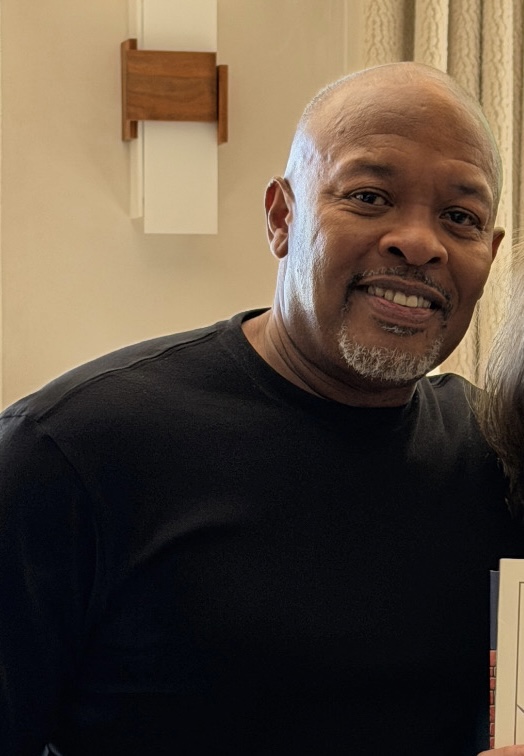
The comparison is valuable because it shows how one drum source can operate inside very different musical systems. Public Enemy’s production is crowded and collision-driven; “Let Me Ride” places the break within the slower, spacious architecture associated with early-1990s G-funk. The shared source does not make the records sound alike. It helps explain how producers can transform the same recorded material through tempo, layering, arrangement and surrounding instrumentation.
Why a short verified sample map beats a giant list
“Funky Drummer” has been connected to an enormous number of later tracks, but size alone does not make a useful guide. A long unsourced list can blur direct samples, replays, interpolations, remixes and looser influence.
A smaller verified map gives every relationship a job. It identifies the exact source recording, the exact target recording, the type of connection and the evidence supporting it. Readers can then move outward from a reliable core instead of treating every familiar groove as the same kind of borrowing.
That method also protects the artists on both sides of the relationship. Clyde Stubblefield’s performance remains identifiable as the source, while the later producer’s transformation is described on its own terms.
What to listen for
Start with the source recording and focus on the exposed drum break: the kick-and-snare placement, the ghosted notes and the way the pattern creates motion without requiring a melodic hook. Then move to a connected recording and listen for what changes.
In “Fight the Power,” the fragment sits inside a highly layered sample collage. In “Let Me Ride,” it supports a more open groove alongside other borrowed and newly recorded elements. The productive question is not simply “Can I hear the same drums?” but “What did the later arrangement make those drums do?”
A simple “Funky Drummer” connection map
James Brown, “Funky Drummer” → direct sample → Public Enemy, “Fight the Power”
James Brown, “Funky Drummer” → direct sample → Dr. Dre, “Let Me Ride”
These are parallel branches from the same source recording, not a chain in which Public Enemy leads to Dr. Dre. More descendants belong on the map only after the source recording, target recording and relationship type have been checked individually.
Work, recording, release and sample: the quick distinction
Work/composition: the underlying musical work.
Recording: a particular recorded performance of that work.
Release group: the conceptual single or album family.
Release/edition: a specific commercial issue, such as the March 1970 U.S. King Records 7-inch.
Sample relationship: recorded audio from a source recording used in a target recording.
Interpolation: newly performed musical material drawn from an earlier work, without necessarily lifting the original audio.
Cover: a new performance of an existing work.
Remix: a version derived from an existing recording.
Those categories make music-history pages more useful because they explain exactly what connects two records.
Some shopping links may support PCMusicMax at no extra cost to you.
Creator gear: Explore Home Studio Gear at GearReady.
Music-making tools: Browse Amazon Best Sellers in Musical Instruments.
Recording workflow: Browse audio interfaces on Amazon.
From music history to creator curiosity
The natural next step for some readers is practical: how do producers isolate, chop, sequence and transform a drum break? That question belongs after the history has been answered. A focused sampling-workflow explainer can connect the discovery story to Creator Studio without turning the historical section into a generic equipment pitch.
The lasting lesson of “Funky Drummer” is not that one break became famous. It is that a few seconds of one identifiable performance became a flexible production resource across decades—and that careful credits let listeners follow the journey without confusing source, influence and transformation.
Sources and research notes
- MusicBrainz — James Brown “Funky Drummer” recording
- MusicBrainz — “Funky Drummer” work
- MusicBrainz — original King Records release record
- Roland — Behind the Beat: “Funky Drummer”
Continue exploring PCMusicMax
For another verified breakbeat lineage, read The Amen Break. For producer-credit history, explore the Larry Smith production timeline.