
The same title can hide several different musical objects
“Apache” is often discussed as if it were one record moving unchanged through history. It is more accurate—and more useful—to separate the composition from the recordings made from it. Jerry Lordan wrote the instrumental work. The Shadows recorded an early hit version in 1960. More than a decade later, the Incredible Bongo Band cut a percussion-heavy cover of the same work for Bongo Rock. That later recording then became source material for hip-hop records, including the Sugarhill Gang’s “Apache.”
That chain contains three different relationships. The Shadows and the Incredible Bongo Band made separate recordings of Lordan’s composition. The Incredible Bongo Band recording is therefore a cover, not a sample of the Shadows recording. The Sugarhill Gang recording, by contrast, directly samples the Incredible Bongo Band’s recording while also drawing on the underlying “Apache” work. Keeping those layers separate prevents the most common error in sample-history writing: treating a composition, a performance and a reused piece of audio as the same thing.
The composition comes first
MusicBrainz identifies “Apache” as a musical work composed by Jerry Lordan. A work is the underlying composition: the melodic and structural idea that can be performed and recorded many times. It is not identical to any one master recording. That distinction matters because the story of “Apache” is not a straight line from one released track to another. It is a branching version tree.
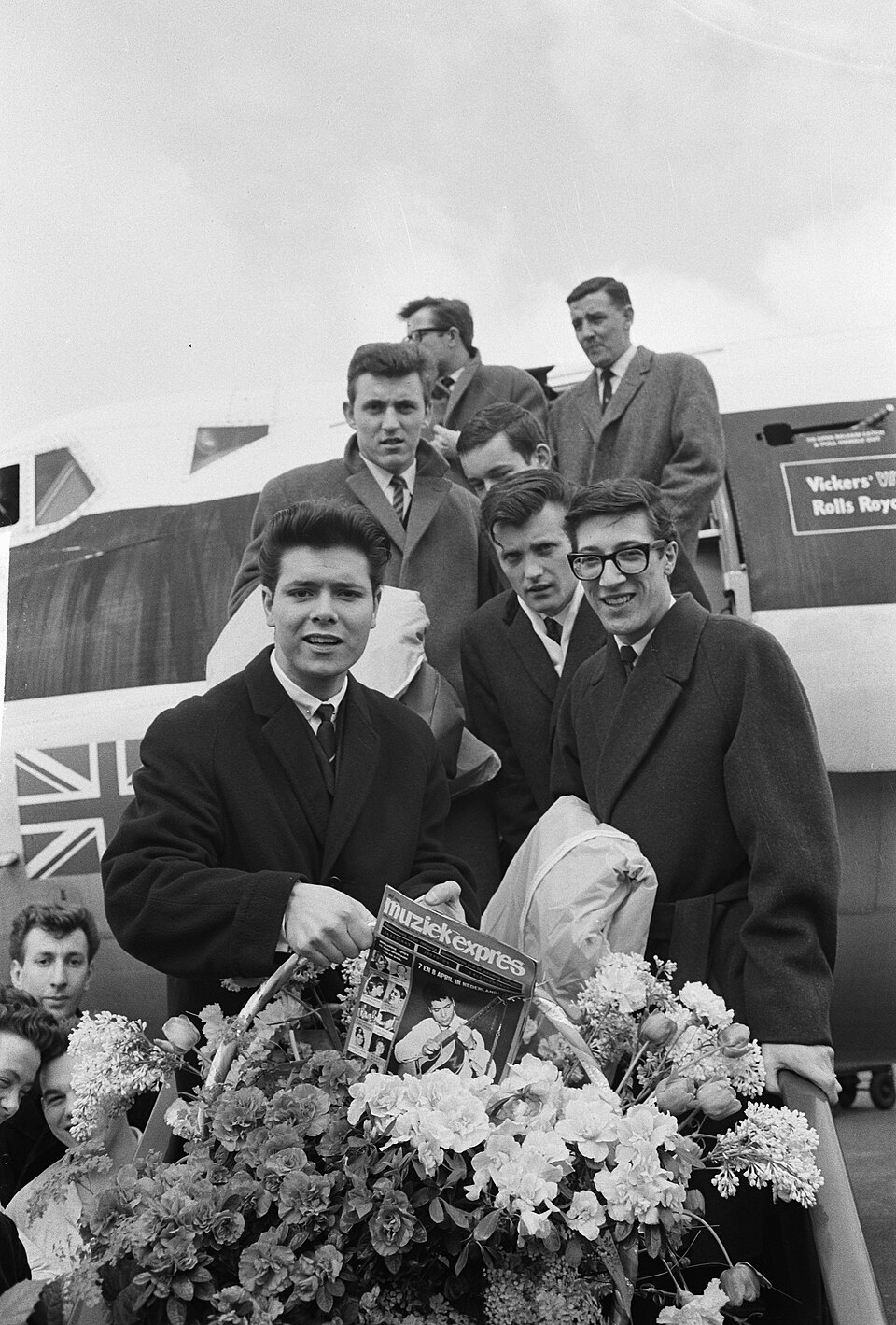
The Shadows recorded “Apache” in June 1960. Their single was issued in the United Kingdom on Columbia as 45-DB 4484. The clean lead-guitar melody and dramatic instrumental arrangement helped define one widely recognized branch of the work’s history. Other artists could perform the same composition without copying the actual sound recording.
The Incredible Bongo Band transformed the arrangement
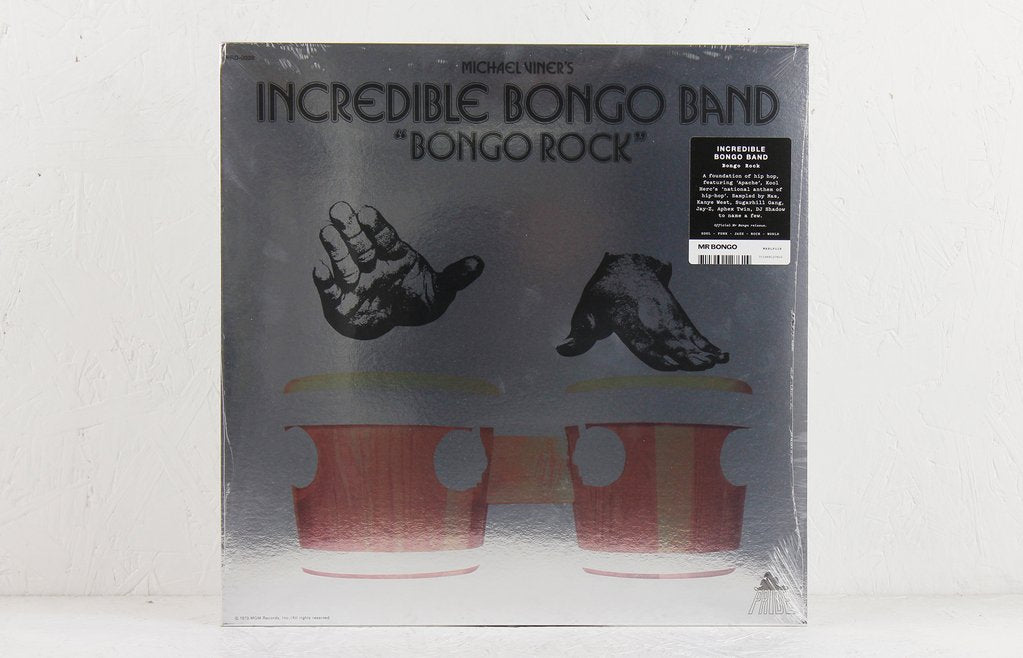
The Incredible Bongo Band’s “Apache” belongs to the same Jerry Lordan work, but it is a different recording with a different sonic center of gravity. Instead of merely recreating the Shadows’ guitar-led presentation, the band built its version around dense percussion, a forceful groove and an extended rhythmic break. The result is both a cover and a new arrangement with its own identity.
The recording appeared on Bongo Rock. MusicBrainz groups the album’s 1973 releases together while preserving distinct editions: Canadian copies on Pride, a United Kingdom edition on DJM and a United States edition on MGM. Those are separate releases of the same album project, not interchangeable evidence for one universal catalog number. For readers and collectors, that release-group distinction explains why the same album can carry different labels and catalog identifiers without becoming a different album.
Why the break changed the song’s afterlife
The Incredible Bongo Band version made rhythm the headline. Its percussion break could be isolated, repeated and placed beneath new performance. In early hip-hop practice, DJs extended instrumental breaks to create longer sections for dancers and MCs. “Apache” became one of the recordings associated with that break-centered approach, and its reputation grew far beyond the audience for the original album.
The important creative shift is not simply that a later artist liked an older song. A cover re-performs a composition. A sample reuses audio from an existing recording. Once producers and DJs worked with the Incredible Bongo Band master, the chain moved from composition history into recording-level reuse. The band’s arrangement—especially its percussion—became material that could be reorganized inside another record.
The Sugarhill Gang made the relationship explicit
The Sugarhill Gang released its own “Apache” in 1981 on Sugar Hill Records. MusicBrainz’s release data identifies the track as a recording of the “Apache” work and explicitly records that it samples the Incredible Bongo Band’s “Apache.” This is a useful example of two relationships operating at once: the new recording is connected to Lordan’s composition, and it also contains audio from the Incredible Bongo Band recording.
That dual relationship is why a flat list of songs is not enough. The title alone does not tell a reader whether one version is a cover, a sample, an interpolation or a remix. A reliable connection map has to identify both the underlying work and the source recording.
A four-step relationship map
1. Jerry Lordan — “Apache” (the work)
This is the composition layer. Lordan’s authorship connects the many recordings that perform the same musical work.
2. The Shadows — “Apache” (1960 recording and single)
This is an early, widely recognized recording of the work. It is evidence of the composition’s instrumental-rock history, but it is not the audio source used by the Sugarhill Gang.
3. Incredible Bongo Band — “Apache” (1973 cover recording)
This recording covers Lordan’s work and radically emphasizes percussion. Its placement on Bongo Rock ties it to a distinct album release group with multiple country and label editions.
4. Sugarhill Gang — “Apache” (1981 sample-based recording)
This recording is based on the “Apache” work and directly samples the Incredible Bongo Band recording. It turns the percussion-led cover into part of a new hip-hop performance.
What this chain teaches about sample history
The “Apache” family shows why sample history works best as a relationship graph rather than a list of famous uses. One composition can produce many recordings. One of those recordings can become more influential as source audio than it was as a conventional hit. A later record can then carry both composition-level and recording-level relationships at the same time.
It also shows why chronology alone can mislead. The earliest famous version is not automatically the sampled version. The Shadows helped establish the composition, but the Incredible Bongo Band created the specific percussion recording that later hip-hop records reused. The creative leap sits in the arrangement and recorded performance, not only in the shared title.
Some shopping links may support PCMusicMax at no extra cost to you.
Creator gear: Explore Home Studio Gear at GearReady.
Music-making tools: Browse Amazon Best Sellers in Musical Instruments.
Recording workflow: Browse audio interfaces on Amazon.
How to listen to the chain
Start with the Shadows and focus on the melody, guitar tone and dramatic phrasing. Then move to the Incredible Bongo Band and listen for what changes: the percussion is larger, the groove is more insistent and the break creates a section that can function independently. Finally, hear the Sugarhill Gang recording as a new work of assembly and performance—one that connects the older composition to a new recording practice.
That sequence makes the distinctions audible. The composition supplies the recognizable musical identity. The cover changes the arrangement and records a new performance. The sample carries actual sound from that later performance into another record.
The larger legacy
“Apache” endured because each generation found a different use for it. Lordan’s composition supported instrumental interpretations. The Shadows gave it a guitar-centered identity. The Incredible Bongo Band rebuilt it as a percussion showcase. Hip-hop artists then treated that recording as playable material.
The result is not one definitive “Apache,” but a durable network of works, recordings and releases. Understanding that network does more than settle a credit question. It shows how songs travel: through performance, arrangement, recording technology, DJ practice and sampling.
Sources and research notes
- MusicBrainz — The Shadows works, including Jerry Lordan’s “Apache”
- MusicBrainz — recording, release-group and release normalization used for the Incredible Bongo Band and Sugarhill Gang chain
- SecondHandSongs — supporting version-history cross-check
Continue exploring PCMusicMax
For another verified breakbeat lineage, read The Amen Break. For producer-credit history, explore the Larry Smith production timeline.