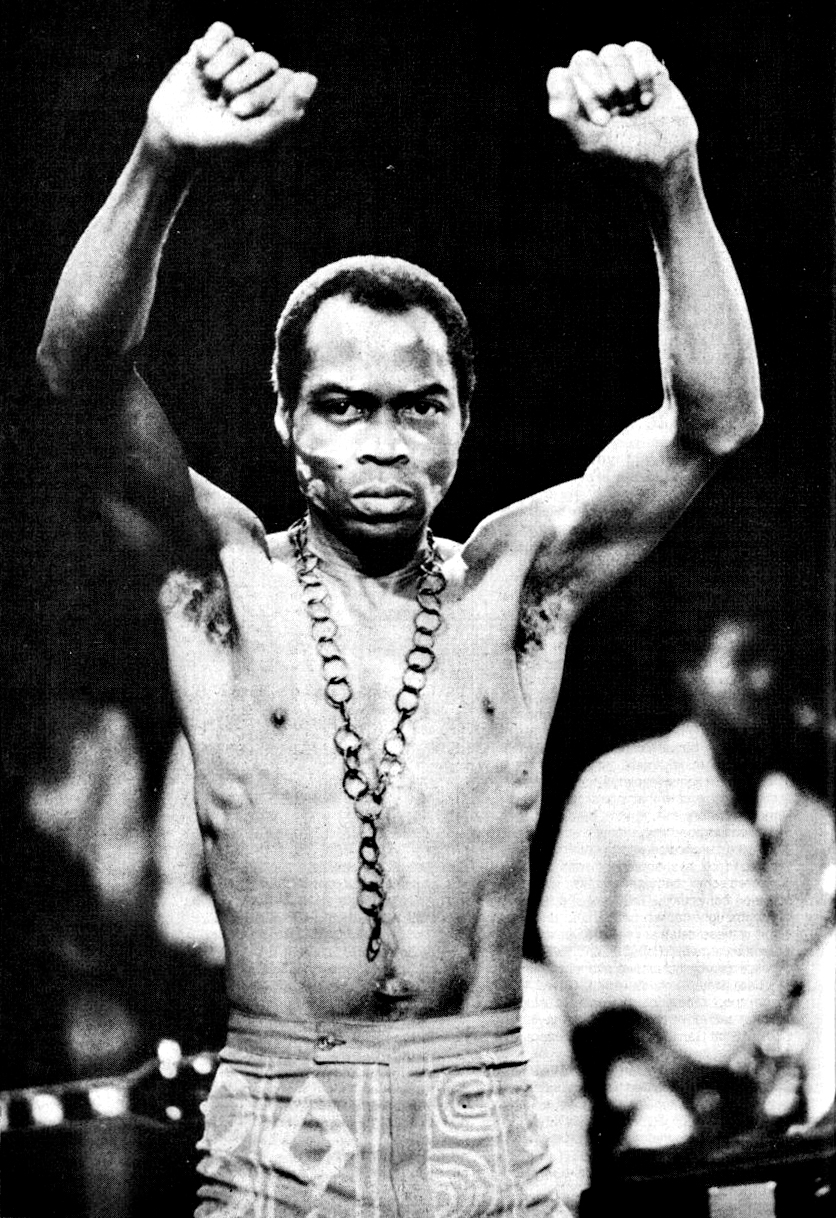
Afrobeat and Afrobeats are connected, but they are not interchangeable. Afrobeat is a specific band-based musical language associated above all with Fela Kuti and drummer Tony Allen. Afrobeats—with an “s”—is a much later umbrella term for a broad, fast-moving field of popular music shaped largely by Nigerian and Ghanaian artists. The distinction is not pedantry. It changes what you hear, whose history you credit and what you should play next.
The short answer
Afrobeat is a genre: long grooves, interlocking rhythm parts, horns, call-and-response and social or political purpose. Afrobeats is an umbrella: contemporary African pop that can absorb highlife, hip-hop, R&B, dancehall, house, amapiano and more. One is a defined musical architecture; the other names a diverse modern ecosystem.
| Listen for | Afrobeat | Afrobeats |
|---|---|---|
| Historical center | Fela Kuti, Tony Allen and the 1970s Lagos scene | 21st-century West African pop, especially Nigeria and Ghana |
| Arrangement | Long-form, band-led grooves that develop gradually | Song-focused forms that vary widely by artist and era |
| Rhythm | Interlocking drums, percussion, guitars and bass | Often programmed or hybrid drums with changing global influences |
| Common texture | Horn riffs, chanted responses and extended instrumental space | Melodic vocals, electronic production and genre-blending |
| Best use of the label | A specific genre | A broad popular-music umbrella |
Afrobeat is a musical system, not just a vintage sound
Afrobeat grew from a deliberate synthesis. Fela Kuti brought together West African highlife, jazz, funk and soul, then made the music carry the pressure of political speech. The official Fela Kuti history traces the style’s formation through his bands and identifies Gentleman as the first fully formed Afrobeat album. The Rock & Roll Hall of Fame likewise recognizes him as Afrobeat’s pioneer and emphasizes how inseparable the music was from his criticism of corruption, colonial power and military rule.
That history matters because an Afrobeat arrangement behaves differently from a typical pop song. A guitar may repeat a clipped phrase for minutes. Bass, percussion and horns enter as independent layers rather than moving in a single block. The groove earns its force through accumulation: a small rhythmic figure locks with another, the band leaves space, and the vocal arrives after the instrumental argument is already under way.
Tony Allen was not a footnote
Fela was the composer, bandleader and public voice, but Tony Allen gave early Afrobeat much of its rhythmic identity. Allen’s playing could suggest several pulse levels at once without losing the dance floor. Duke University Press describes him as the rhythmic engine of Fela’s bands, while Blue Note’s artist history documents his central role in Africa 70. Crediting both musicians produces a more accurate origin story than treating the drums as anonymous backing.
A good first Afrobeat listen is Fela’s “Water No Get Enemy.” Do not wait only for a chorus. Follow the conversation among drums, bass, guitar and horns, then notice how the vocal sits inside that network. That way of listening also connects with PCMusicMax’s guide to the Amen break and the afterlife of a rhythm: in both cases, the drums are part of the composition’s argument, not decoration beneath it.
Afrobeats names a scene broad enough to keep changing
Afrobeats emerged under different conditions: digital production, music television, clubs, radio, social platforms and the movement of African music through London and other diaspora hubs. The plural does real work. It signals that listeners are dealing with many related popular sounds rather than one fixed rhythmic formula.
The Recording Academy’s history of Afrobeats distinguishes it from Fela’s Afrobeat and credits British-Ghanaian DJ Abrantee with popularizing the plural term in the early 2010s as a practical name for a new wave of African pop. That wave has never stood still. Depending on the artist and track, an Afrobeats record may lean toward highlife guitar, hip-hop drums, R&B phrasing, dancehall swing, electronic dance music or amapiano-derived textures.
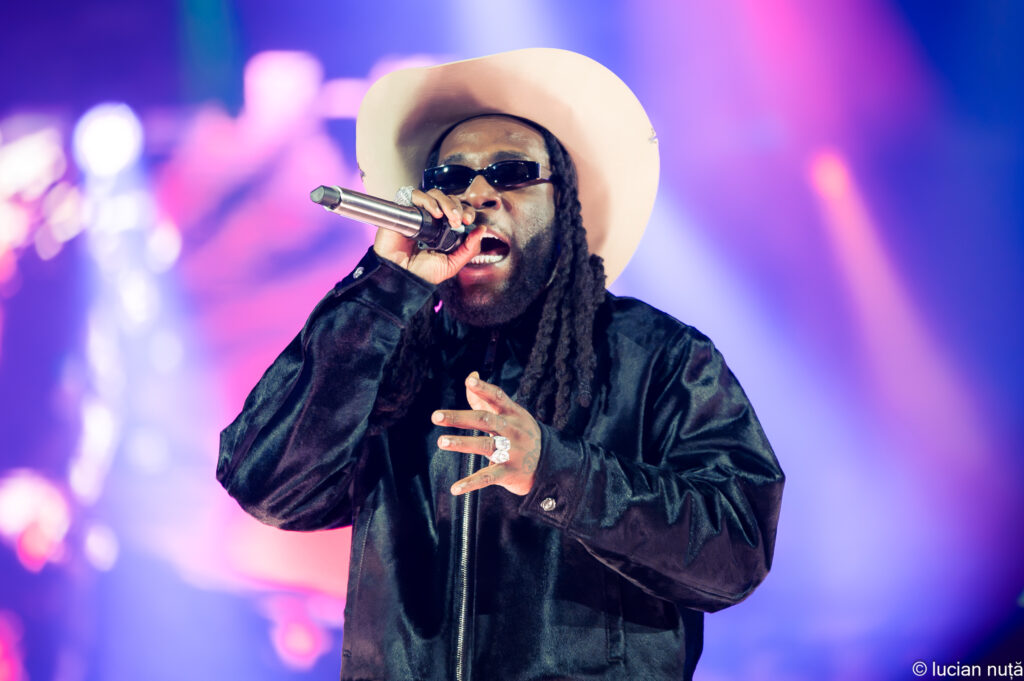
Burna Boy shows the overlap without erasing the difference
Burna Boy is a useful bridge because his music makes its debt to Fela audible while remaining modern popular music with its own production logic. The influence can appear in vocal attitude, horn color, political framing or a sense of Nigerian musical lineage. It does not turn every Burna Boy song into 1970s Afrobeat. “Last Last,” for example, is built for a concise contemporary song form and a large singalong hook, even while its delivery and rhythmic feel sit inside a wider African pop conversation.
Official video from Burna Boy’s verified artist channel. Listen for the compact hook-driven structure rather than the long instrumental development typical of classic Afrobeat.
A five-step listening test
- Check the architecture. Does the track unfold as an extended band groove, or does it move through a compact verse-hook form?
- Follow the rhythm section. Classic Afrobeat often builds tension through several live parts locking together. Afrobeats may use live players, programming or both, and no single drum pattern defines the umbrella.
- Listen to the horns and guitars. Repeated horn figures and tightly interwoven guitar lines are structural in Afrobeat. Similar colors can appear in Afrobeats without controlling the whole arrangement.
- Notice the vocal’s job. In Afrobeat, the voice often leads call-and-response or delivers a sustained political address. In Afrobeats, vocals can be conversational, melodic, rapped, chanted or blended across styles.
- Use history, not tempo, as the tie-breaker. Two tracks can share a danceable pulse and still belong to different traditions. Who made the record, when, where and within which scene matters.
Six tracks that make the distinction audible
- Fela Kuti — “Water No Get Enemy”: start with the patient instrumental build and the way every part occupies its own rhythmic lane.
- Fela Kuti — “Zombie”: hear how a repeated groove, horns and call-and-response carry pointed political satire.
- 2Baba — “African Queen”: an early-2000s landmark for hearing the melodic, song-centered pop path that helped shape the modern era.
- Wizkid — “Ojuelegba”: a focused modern song whose storytelling and groove travel without needing an extended band arrangement.
- Burna Boy — “Ye”: a contemporary record that carries Fela’s influence while speaking in a different production language.
- Rema — “Calm Down”: a clear example of Afrobeats as internationally circulating pop rather than a fixed continuation of classic Afrobeat.
Play the first two back-to-back with the final four. The goal is not to crown a winner or police artists at the border of a genre. It is to hear how a specific 1970s musical invention became one important ancestor within a much larger 21st-century field.
Why the names keep getting mixed up
Search engines, playlists and casual conversation reward short labels. “Afrobeat” also looks like the singular of “Afrobeats,” even though the relationship is historical rather than grammatical. Finally, contemporary artists often cite Fela, sample older African recordings or use live horns, so the family resemblance can be real. The mistake is turning resemblance into identity.
A useful editorial rule is simple: use Afrobeat when describing the Fela-and-Allen lineage or music built directly from that architecture. Use Afrobeats for the broader modern pop ecosystem, then get more specific whenever the artist’s own style calls for it. Accurate naming should open the music up, not flatten it.
Frequently asked questions
Is Afrobeats just the plural of Afrobeat?
No. Afrobeat is a defined genre associated with Fela Kuti, Tony Allen and the 1970s. Afrobeats is a later umbrella term for many contemporary African pop styles.
Did Fela Kuti create Afrobeat alone?
Fela Kuti is the genre’s central composer, bandleader and political voice, but Tony Allen’s drumming was foundational to its rhythmic language. The music also drew on larger highlife, jazz, funk and West African traditions.
Is Burna Boy an Afrobeat artist or an Afrobeats artist?
Burna Boy belongs to the modern Afrobeats-era ecosystem and often describes a broader fusion of influences. His connection to Fela is meaningful, but it does not make every Burna Boy track classic Afrobeat.
Can a modern song be influenced by both?
Yes. A contemporary track can borrow Afrobeat’s horns, guitar figures, political energy or live-band feel while still operating as Afrobeats, hip-hop, R&B or another hybrid. Labels are most useful when they describe what is actually happening in the record.
Sources and listening notes: Fela Kuti official history; Rock & Roll Hall of Fame; Duke University Press: Tony Allen; Blue Note: Tony Allen; Recording Academy: The Evolution of Afrobeats. Historical claims reviewed October 13, 2026.