City pop is easier to recognize than to define. The label is commonly used for polished Japanese pop from the 1970s and 1980s that absorbed funk, soul, disco, AOR, jazz and other Western popular styles into a distinctly Japanese urban context. But the category is not a single sound, and its modern internet-era meaning is broader than the way the term was originally used.
The Japan Foundation’s scholarship on city pop emphasizes that the genre grew around changing urban values, Western-music influence and Japan’s economic and technological expansion. It also notes that the recent revival has reshaped how listeners understand the term.
City pop is a scene label more than a rigid formula
Some city pop is driven by disco rhythm and glossy synthesizers. Some leans toward soft rock or jazz fusion. Some centers on funk bass and horn arrangements. What connects the records is often a combination of urban imagery, sophisticated studio craft and an outward-looking pop vocabulary.
That means a “city pop sound” playlist can be useful for discovery while still being historically imprecise. PCMusicMax should use the label as a gateway, then let artists and albums reveal the differences.
Shopping links may support PCMusicMax at no extra cost to you.
Explore instruments behind the arrangements: browse Amazon Best Sellers in Musical Instruments.
Start with Tatsuro Yamashita and Mariya Takeuchi
Tatsuro Yamashita is central to the genre’s studio ideal: layered vocals, precise rhythm sections, sophisticated harmony and a producer’s attention to sonic detail. Mariya Takeuchi’s catalog provides another major entry point, especially for international listeners who encountered “Plastic Love” through online rediscovery.
Their connection is also useful because it shows city pop as a network of writers, producers, musicians and spouses rather than a collection of isolated viral tracks.
Add Anri, Taeko Ohnuki and Miki Matsubara
Anri provides a route into bright 1980s production and dance-oriented city pop. Taeko Ohnuki connects the style to singer-songwriter sophistication and the earlier Japanese “new music” continuum. Miki Matsubara’s “Mayonaka no Door / Stay With Me” became another major international rediscovery point.
These artists should not be treated as interchangeable. The point of a starter guide is to show several doors into the category, not declare one canonical sound.
The studio matters as much as the city imagery
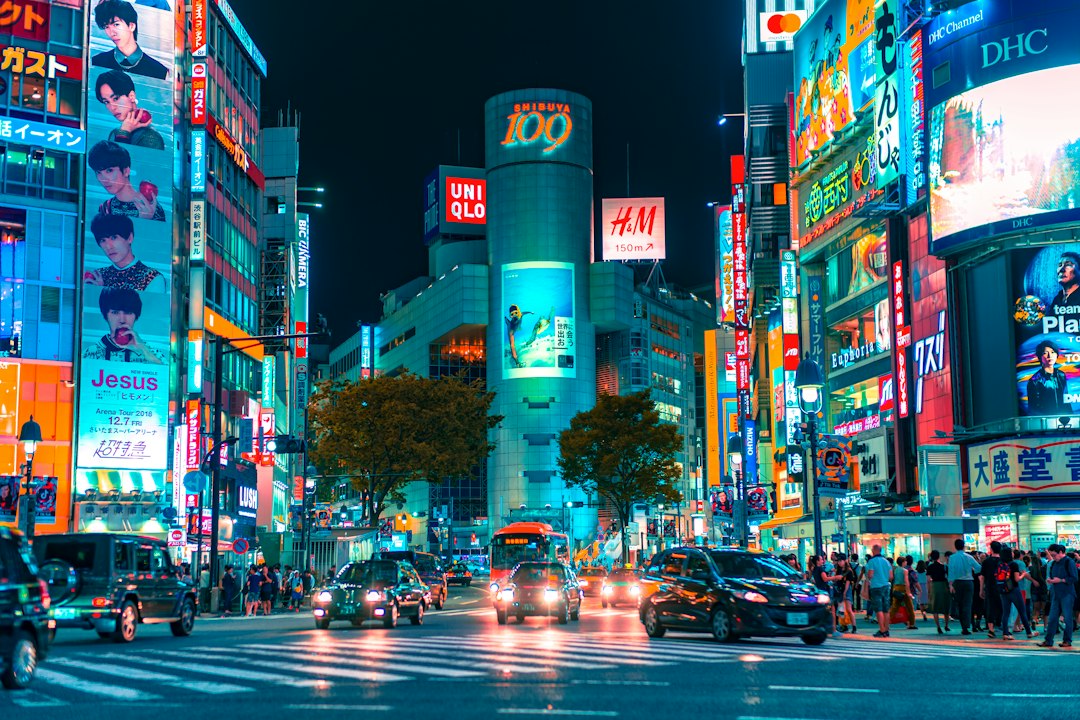
City pop’s modern appeal is often visualized through neon skylines, cars and coastal roads, but the production is the stronger reason the music travels. Clean rhythm sections, prominent bass, layered keyboards, guitar detail, horn arrangements and carefully controlled vocals make many of these records feel luxurious even decades later.
Japan’s consumer-technology boom also matters to the story. The Japan Foundation connects city pop’s lifestyle associations to technologies such as portable cassette listening and car audio. Music made for modern urban life was also consumed through modern devices.
Explore modern home-studio gear: browse Home Studio Gear at GearReady as a modern creator reference.
Why the internet revival changed the audience
City pop reached a new international audience through video platforms, recommendation algorithms, vinyl collecting, sampling and adjacent internet genres such as future funk and vaporwave. Listeners often discovered individual songs without the original Japanese marketing context.
That kind of rediscovery is powerful, but it can rewrite history if we treat algorithmic popularity as proof that a track was originally the genre’s biggest domestic hit. Modern global visibility and historical Japanese popularity are different measurements.
A five-stop starter route
- Tatsuro Yamashita — for studio craft, vocal layering and sophisticated pop rhythm.
- Mariya Takeuchi — for songwriting, polished pop and the modern rediscovery story.
- Anri — for dance-oriented 1980s city pop and bright production.
- Taeko Ohnuki — for the bridge between singer-songwriter “new music” and city pop sophistication.
- Miki Matsubara — for a globally rediscovered song that demonstrates how streaming-era discovery can reshape a catalog.
Connect a recording setup: browse audio interfaces on Amazon.
What to listen for
Do not only listen for synths. Listen for bass articulation, rhythm guitar, chord voicings, horn writing, backing vocals and the way drums sit in the mix. City pop often feels “smooth” because many small arrangement decisions are disciplined.
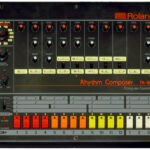
Then compare production years. Late-1970s records may lean more on live-band texture, while later 1980s recordings can foreground digital keyboards, drum machines and a brighter mix aesthetic.
Why city pop belongs in Global Music
The genre’s revival shows how music can acquire a second international life through technology, collectors and online communities. PCMusicMax should preserve both layers: the original Japanese context and the newer global discovery context.
That approach avoids turning city pop into aesthetic wallpaper. It keeps the artists, albums, production networks and historical conditions visible.
Sources and research notes
- Japan Foundation, Sydney — A Brief Introduction to City Pop Music
- Japan Foundation catalogue — “City Pop’s America”
Continue exploring
Continue through PCMusicMax Global Music and Genres & Subgenres for more scene and production guides.