

Big Daddy Kane’s reputation is built on more than speed or complexity. What made his late-1980s work distinctive was the way technical rhyming, vocal control, style and live performance operated together.
In an Okayplayer interview reflecting on his career, Kane described his original motivation as proving his skills rather than chasing money. That framing helps explain the records: they are competitive, but they are also designed for performance, personality and audience reaction.
The Juice Crew put Kane inside an elite technical environment
Kane emerged through the Juice Crew orbit associated with Marley Marl, alongside MCs such as Kool G Rap, Masta Ace and others. That setting mattered because the artists could be heard next to one another, making technique a visible part of the culture rather than an abstract reputation.
Marley Marl’s production network gave Kane a platform where sharp drums and open arrangements let the voice carry the record.
Shopping links may support PCMusicMax at no extra cost to you.
Explore modern creator gear: browse Home Studio Gear at GearReady.
Long Live the Kane establishes the core identity
Kane’s 1988 debut contains several of the records most closely associated with his early reputation, including “Ain’t No Half-Steppin’” and “Set It Off.” The writing is intricate, but the delivery keeps the structure intelligible.
That balance is important. Technical rap can become impressive on paper while losing musical momentum. Kane’s strongest work keeps the rhyme density connected to groove and stage presence.
Speed is only one part of the technique
Kane can accelerate, but his command also depends on pause, emphasis, breath and the ability to make complicated patterns feel conversational.
When studying his verses, listen for how the voice moves between bursts of density and wider spaces. That contrast keeps the listener oriented.
Explore recording hardware: browse computer recording equipment on Amazon.
It’s a Big Daddy Thing expands the range
His 1989 follow-up widened the sound and presentation without abandoning the core MC identity. Songs such as “Smooth Operator” showed that polished, romantic or crossover-friendly material did not have to erase technical credibility.
That versatility became part of Kane’s model: battle ability, stage showmanship, fashion and smoother records could coexist inside one artist brand.
Performance is part of the writing
Kane’s live reputation matters because the verses are built to be performed. Delivery, movement and timing shape how the writing lands in a room.
Okayplayer’s career profile highlights the theatrical side of his shows—dance routines and stage command alongside pure MC skill. That combination separates a great verse from a complete live act.
Explore music-making tools: browse Amazon Best Sellers in Musical Instruments.
Style was not separate from the music
Fashion and presentation helped define Kane’s public image during an era when hip-hop stars were building visual languages as quickly as musical ones. The clothes, posture and polished stage presence reinforced the confidence of the records.
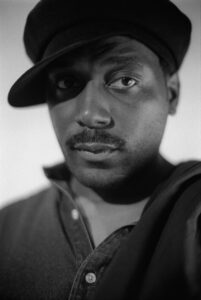
That does not make style superficial. In hip-hop, visual identity has long been one of the ways artists communicate status, era and scene.
Kane’s strongest lesson: technical ability needs clarity
The reason his early records remain useful for MC study is not that every rapper should imitate the cadence. It is that complexity is organized for the listener.
Internal rhymes, quick syllable runs and punch lines land because the vocal performance gives them shape.
How to study Big Daddy Kane
- Start with “Ain’t No Half-Steppin’” for structure and control.
- Use “Set It Off” to hear speed without losing articulation.
- Compare harder records with “Smooth Operator” to hear range.
- Watch live performances to understand how the verses were designed for a crowd.
- Compare his technique with Rakim and Kool G Rap without forcing a single “best MC” conclusion.
For a direct editorial comparison, PCMusicMax’s Rakim vs. Big Daddy Kane battle keeps the competitive question separate from this historical technique guide.