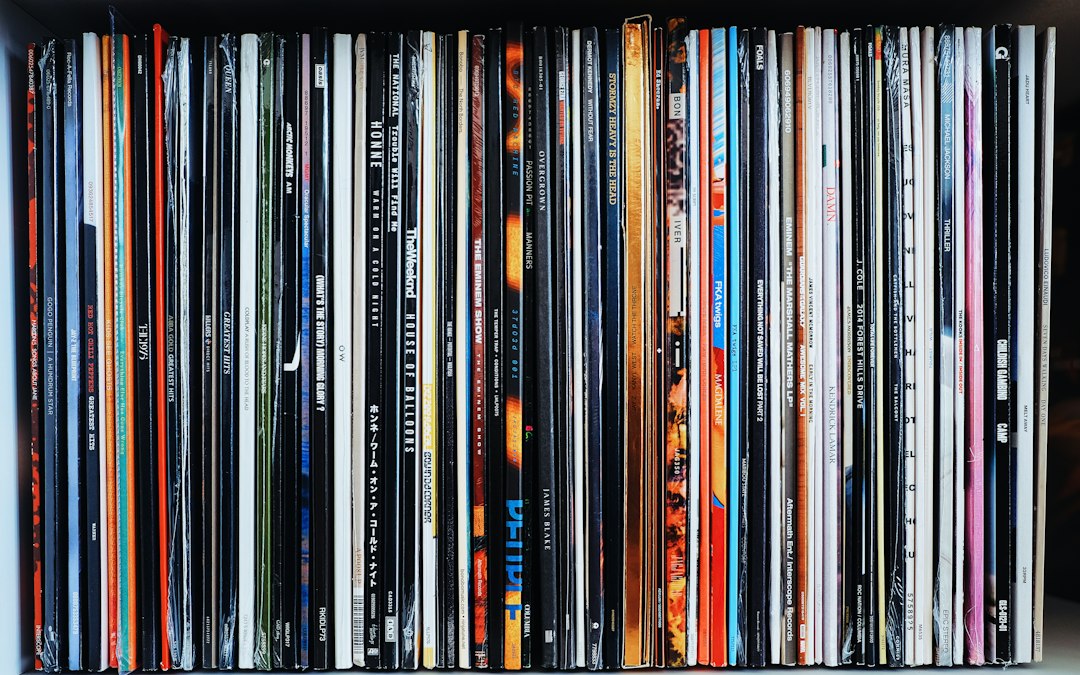
To compare album releases accurately, begin with a simple rule: two copies can contain the same album and still be different releases. The useful question is not simply “Do I own this album?” but “Which issuing do I own, and what is actually different about it?” A first pressing, a regional CD, a remaster, a deluxe box and a streaming reissue may share the same album identity while differing in track sequence, mastering, packaging, identifiers and supporting credits.
This guide gives you a repeatable way to compare album editions without turning every packaging change into a musical change—or overlooking a genuinely different recording.
The three layers to keep separate
Start by separating three things that collectors often collapse into one:
| Layer | What it identifies | Typical evidence |
|---|---|---|
| Album project | The overall artistic release concept | Artist, core title, album type, broad repertoire |
| Specific release | A particular product issued in a market or format | Date, country, label, catalog number, barcode, packaging, cover art |
| Recording or master | The audio performance and the version of that audio used | Recording credits, ISRC where applicable, remaster/remix notes, mastering credit |
MusicBrainz defines a release group as the logical entity that gathers related releases around the overall album concept. A release is the particular issuing you can buy or access, identified by properties such as date, country, label, barcode, packaging and cover art.
That distinction solves the first half of the problem. The other half is recognizing that a new release does not automatically mean a new performance. One recording can appear on many releases; a re-recording creates new audio.
Step 1: confirm that you are comparing the same album project
Match the credited artist and core title, then check whether one item is actually a compilation, live album, soundtrack, remix album or re-recorded project. Similar titles and artwork are not proof. Anniversary packages sometimes combine the original album with demos, live recordings and outtakes, but the core album can still sit within the same release group.
If the core program is substantially different, stop calling the items “editions of the same album” until the relationship is clear. This prevents a greatest-hits collection, a live recreation or a later re-recording from being treated as if it were merely another pressing.
Step 2: record the identifiers before judging the sound
Create a small record for each copy. For physical editions, photograph or transcribe the information exactly as printed. Do not “correct” punctuation, abbreviations or spacing while you are still identifying the item.
- Country or market of issue
- Release date, including whether it is exact or approximate
- Label and catalog number
- Barcode, if present
- Format and number of discs or records
- Packaging type
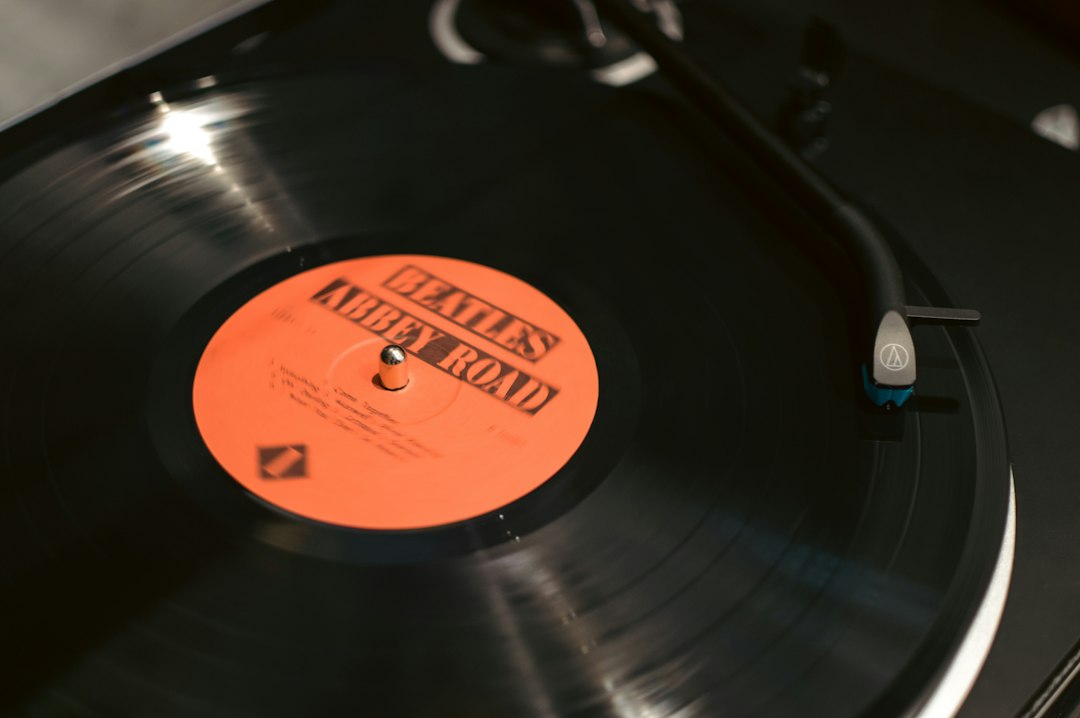
- Matrix or runout information for vinyl and many optical discs
- Rights-society, pressing-plant or manufacturer marks when visible
MusicBrainz notes that a catalog number is assigned by a label and is often found on the spine or near the barcode. The catalog number is not the same thing as a retail identifier such as an ASIN. A barcode is helpful, but it is not always unique enough to settle every pressing question by itself.
Step 3: compare the complete track structure
Work disc by disc and side by side. Record the order, displayed durations and version labels exactly as credited. Check for:
- Bonus tracks, hidden tracks or omitted tracks
- Alternate running order
- Edits, radio versions, remixes or extended versions
- Live recordings, demos, alternate takes or session outtakes
- Different titles for what may be the same audio
- Tracks split or combined differently across media
A deluxe edition with extra material can still share the same album project as the standard edition, but its additional tracks should not inherit the original album’s recording date by assumption. If a 1990 concert performance is added to a reissue of a 1975 studio album, it remains a 1990 live recording.
MusicBrainz treats the tracklist as a property of each medium within a release. That is why “same cover, same album” is never a substitute for checking the actual disc or official digital listing.
Step 4: separate remaster, remix and re-recording
| Term | What usually changes | What not to assume |
|---|---|---|
| Remaster | The final presentation of an existing mix: level, EQ, dynamics, stereo image or delivery preparation | That the musicians performed the song again |
| Remix | The balance or treatment of original multitrack elements is recombined | That it is merely a louder remaster |
| Re-recording | A new performance is captured | That it is the same recording because the song and artist are unchanged |
The Library of Congress’ recording-preservation materials describe remastering as work performed on existing audio to prepare or optimize it for reproduction; remixing returns to the recorded elements and combines them differently. The distinction matters because two editions can use the same performance but a different master, while a re-recording is new audio.
ISRC can help at the recording layer. IFPI describes the International Standard Recording Code as an identifier for a specific sound recording or music video recording. It is not an album-edition identifier. Treat an ISRC as one piece of recording evidence, not as proof that two complete products are the same release.
Step 5: examine credits and source statements
Read the booklet, back cover, inner sleeve, hype sticker and digital credits. Look for a mastering engineer, mastering studio, source statement, remix credit, restoration credit and copyright line. “Remastered” without a year or credit tells you less than “remastered in 2025 by [engineer] from the original stereo master.”
Absence of a mastering credit is not proof that two releases use the same master. Likewise, a shared copyright year does not necessarily mean identical audio. Record what the release actually says, then label any conclusion as confirmed, strongly indicated or unknown.
Step 6: treat format and packaging as evidence, not a verdict
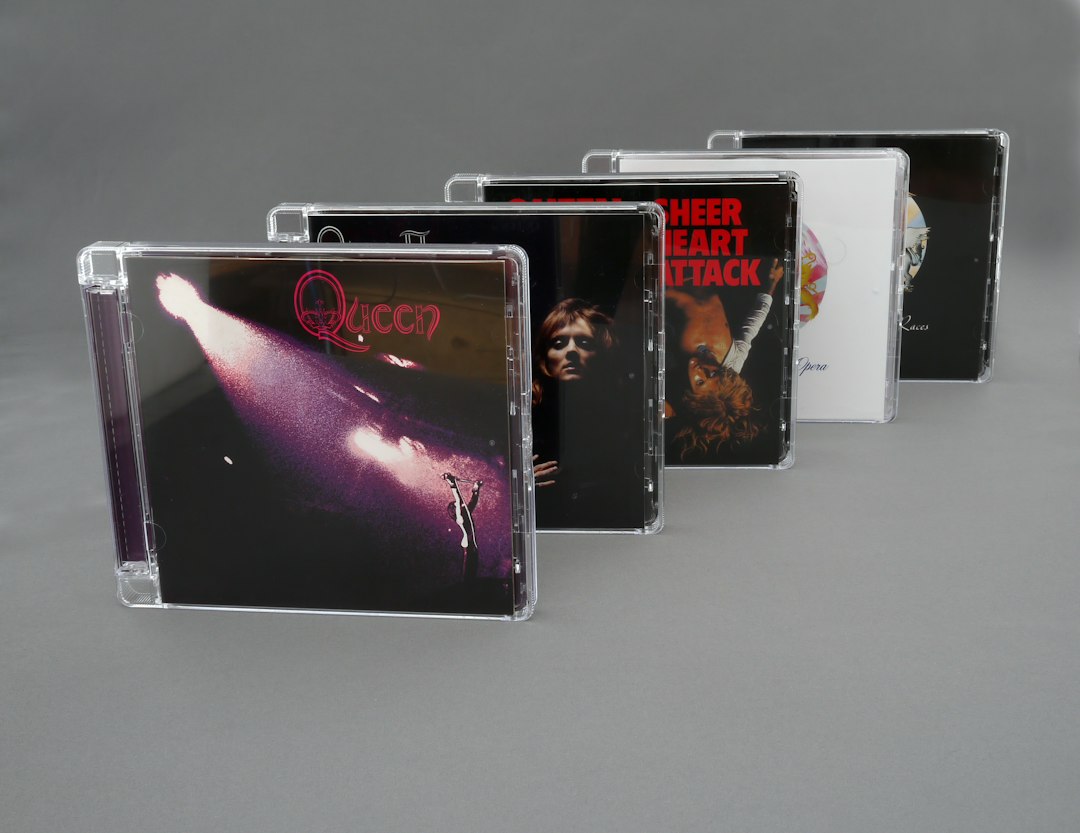
Vinyl, CD, cassette, download and streaming versions are different release configurations, but format alone does not reveal the source or mastering. A vinyl edition may be cut from a high-resolution digital file; two CDs may use different masters; a digital reissue may reproduce the original mix or replace it with a later remix.
Packaging can still be a major release difference. Gatefold sleeves, colored vinyl, obi strips, box contents, booklets and alternate artwork are legitimate edition-level facts. They affect collectibility and historical context even when the audio is unchanged. Keep those observations in the “release” column rather than treating them as proof of musical difference.
Compare album releases with this worksheet
| Field | Copy A | Copy B | Confidence |
|---|---|---|---|
| Album project / release group | Confirmed / likely / unknown | ||
| Country and date | |||
| Label and catalog number | |||
| Barcode and matrix/runout | |||
| Format and packaging | |||
| Tracklist differences | |||
| Mastering/remix credit | |||
| Recording identifiers | |||
| Documented source | |||
| Listening observations | Subjective |
Complete the objective rows first. Listen only after you know what you are comparing, and level-match as closely as practical. A slightly louder master can sound more impressive in a quick switch even when that is the main difference. Do not turn a preference into an undocumented technical claim.
How to handle conflicting database entries
Community databases are useful indexes, not substitutes for primary evidence. When two entries conflict, prioritize the item in hand, official label or artist documentation, liner notes and clear photographs. Note which fields are uncertain rather than combining incompatible details into a fictional hybrid edition.
A sensible evidence order is:
- The physical item or official digital release page
- Artist, label or distributor documentation
- Booklet, liner notes and credited personnel
- Reliable catalog databases with a traceable release record
- Seller listings and forum posts only as leads
For the underlying data model, use PCMusicMax’s guide to albums, recordings, releases and editions. It explains why a work, recording, track and release should not be treated as interchangeable objects.
Common comparison mistakes
- Using the front cover alone: artwork is often reused across markets and represses.
- Assuming “180-gram” describes the mastering: weight describes the physical record, not the audio source.
- Calling every later issue a remaster: a reissue can reuse earlier audio without a new mastering claim.
- Assuming a new barcode means new audio: it proves a product-level difference, not necessarily a mastering change.
- Treating an online runtime as exact: displayed durations can be rounded or entered inconsistently.
- Confusing a bonus track’s date with the album date: each recording keeps its own history.
- Reporting subjective sound as fact: document equipment, level matching and uncertainty if you publish listening comparisons.
Frequently asked questions
Is a remastered album a different release?
Usually yes at the product level when it is issued as a distinct edition. It may still belong to the same album project and may use the same underlying performances.
Do vinyl and CD versions count as different releases?
Yes, because the formats and products differ. That does not by itself prove different mastering or superior sound.
Can two pressings share a barcode?
Yes. Represses and closely related issues can reuse identifiers, so compare catalog numbers, manufacturing details, matrices, packaging and dates together.
Does a different ISRC mean a different album edition?
Not necessarily. ISRC identifies a recording, not the complete album product. One edition can include recordings with multiple ISRCs, and the same recording can appear on many releases.
What if no source confirms the mastering?
Mark it unknown. You can describe audible differences as listening observations, but do not invent a mastering lineage from sound alone.
Sources and research notes
- MusicBrainz — Release Group
- MusicBrainz — Release
- MusicBrainz — Recording
- IFPI — ISRC Standard
- Library of Congress — Remastering Explained
Editorial note: No video was embedded because a generic playback demonstration would not improve release identification. The useful evidence here is edition metadata, credits and documented source information.