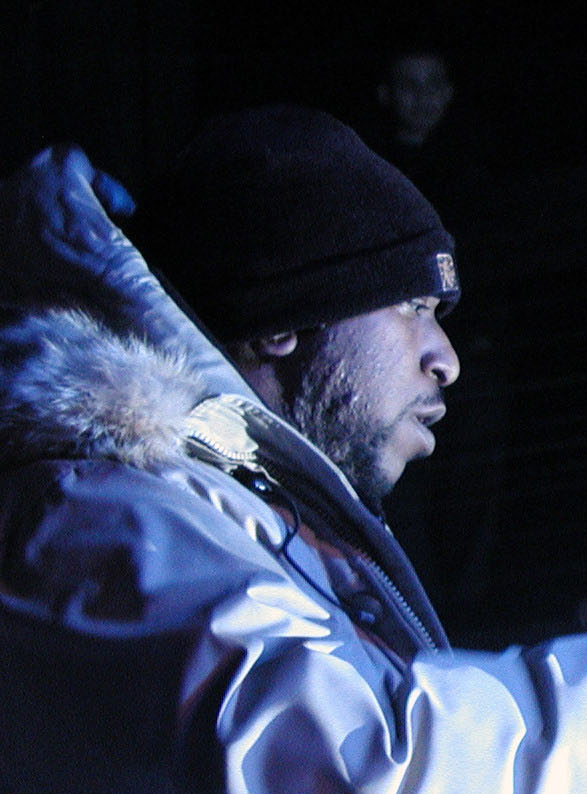
Kool G Rap is one of the clearest examples of technique and narrative becoming the same thing. His rhymes are dense, but the density usually serves a scene: movement through streets, characters, danger, ambition and consequences.
That makes him different from an MC whose technical skill is mainly displayed through abstract rhyme exercises. G Rap’s writing often behaves like compressed crime fiction—details arrive quickly, but they still build a world.
The Juice Crew creates a technical proving ground
Marley Marl’s account of the Juice Crew places Kool G Rap inside a network that also included Big Daddy Kane, Masta Ace, Craig G, Biz Markie and others. That environment encouraged comparison because multiple high-level MCs were appearing around the same producer and label ecosystem.
G Rap’s lane became especially associated with tightly packed rhymes and darker narrative writing.
Shopping links may support PCMusicMax at no extra cost to you.
Explore modern creator gear: browse Home Studio Gear at GearReady.
Internal rhyme makes the lines feel continuous
Instead of relying only on a rhyme at the end of each bar, G Rap can stack matching sounds inside the line. The effect is forward pressure: the listener hears one sound answer another before the bar resolves.
This kind of writing creates density without requiring maximum speed. The verse can feel crowded with connections even at a moderate tempo.
“Men at Work” is a technique study
“Men at Work” is frequently singled out by rap listeners because the performance makes technical control obvious. The useful way to study it is not to reproduce long lyric passages, but to map where the rhyme sounds occur and how long a chain continues.
Listen for multisyllabic patterns, internal echoes and the way breath control keeps the structure from collapsing.
Explore recording hardware: browse computer recording equipment on Amazon.
Street narrative gives the technique a purpose
G Rap’s storytelling is a major reason his influence extends beyond rhyme mechanics. The writing often builds settings, stakes and sequences of events rather than simply stacking boasts.
In a Red Bull Music Academy oral history, G Rap described wanting later projects to feel cinematic, even constructing an album like a movie. That instinct helps explain why narrative structure remains central to his identity.
The voice carries weight as well as information
Technical analysis can overlook tone. G Rap’s voice is forceful and textured, which helps dense writing feel physical rather than academic.
The delivery gives the stories authority. Even when the rhyme scheme is complicated, the vocal character keeps the listener inside the scene.
Explore music-making tools: browse Amazon Best Sellers in Musical Instruments.
Technique is not the same as influence
Many later rappers use internal rhyme, multisyllabic patterns and detailed street narratives. Those similarities can make G Rap a useful reference point, but similarity alone does not prove direct influence.
PCMusicMax separates the two layers: documented influence belongs in sourced history; stylistic resemblance belongs in editorial analysis.
Later career choices show commitment to identity
The Red Bull oral history of The Giancana Story presents a recurring tension between label expectations and G Rap’s sense of what his records should sound like. The details are messy, but the larger point is clear: maintaining artistic identity can conflict with commercial attempts to reposition an established artist.
That makes the later story useful for understanding why technical legacy and mainstream visibility do not always move together.
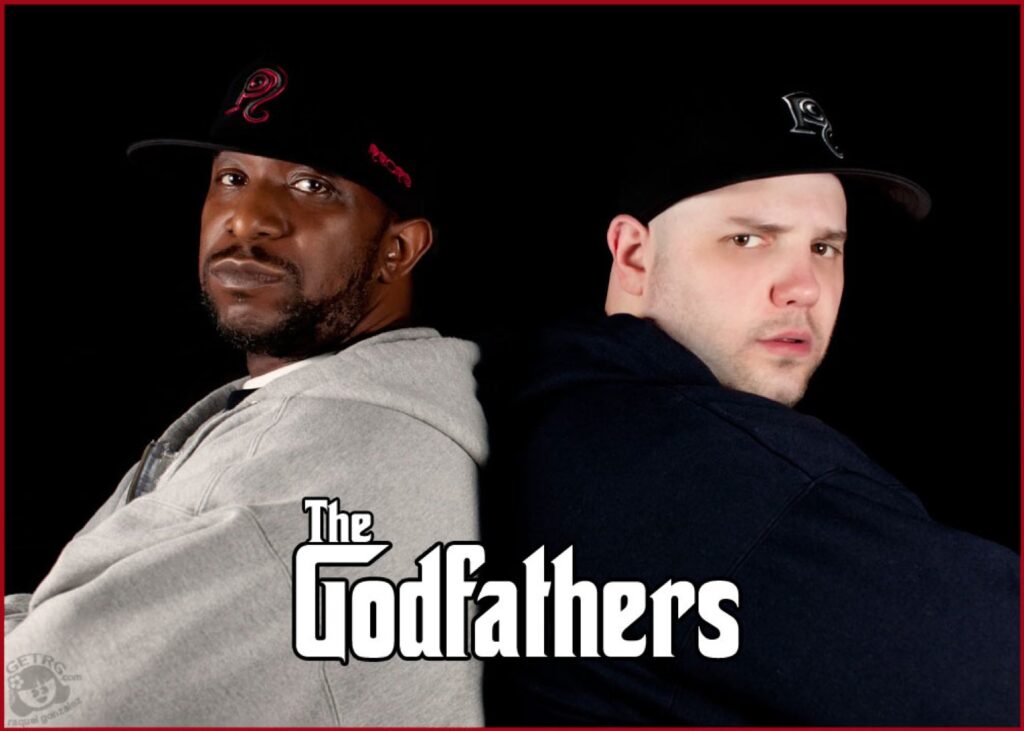
How to study Kool G Rap
- Mark internal rhymes rather than only line endings.
- Separate rhyme density from speed.
- Track how scenes develop from bar to bar.
- Listen to breath control and vocal emphasis.
- Compare technical exercises with story-driven records.
For another late-1980s technique path, read How Rakim Changed Rap Flow and the Big Daddy Kane technique guide.