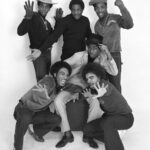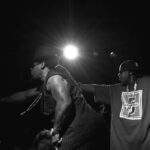
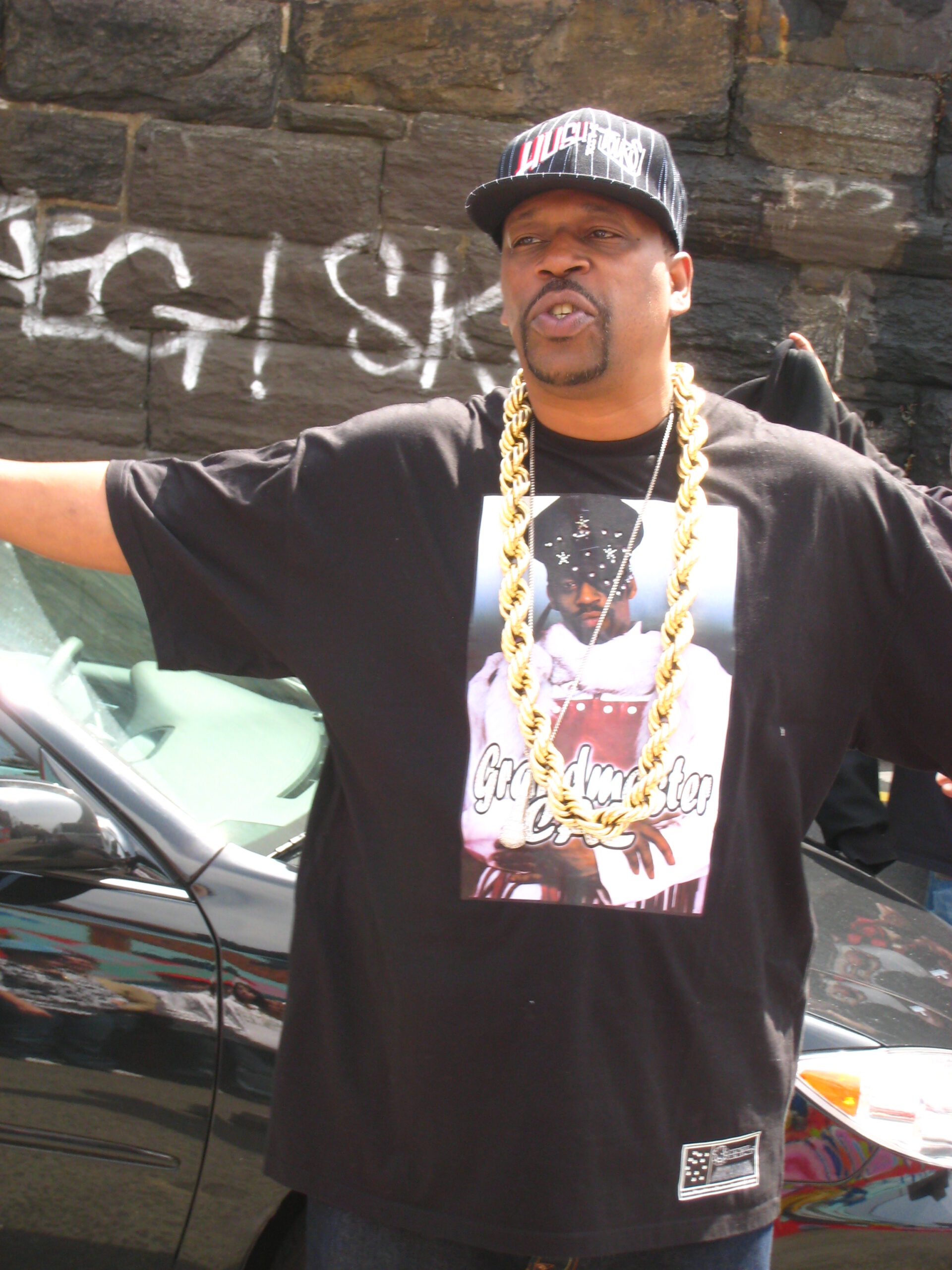
Grandmaster Caz sits at a fault line in hip-hop history: the culture’s live-performance era on one side, and the recording business that carried rap worldwide on the other. As Casanova Fly, he was already a Bronx DJ before he became one of the Cold Crush Brothers’ defining MCs. His story explains why some of early rap’s most influential work survived first on flyers, cassettes and people’s memories—not on a hit single bearing the creator’s name.
That context matters whenever the familiar “Rapper’s Delight” story is told. Caz has long said that Big Bank Hank used rhymes he had written, including verses from separate routines that Hank combined for the Sugarhill Gang recording. The careful historical claim is not that one interview settles every question of credit. It is that Caz’s authorship account is documented in his own words, fits the live-routine culture in which those lines circulated, and deserves to be presented alongside the commercial record.
Before Grandmaster Caz, there was Casanova Fly
The NAMM oral-history archive identifies Caz as a pioneering DJ who performed as Casanova Fly during hip-hop’s formative Bronx years. DJing and MCing were not yet separate career lanes. A performer could select records, control the room, develop rhymes and help shape a crew’s entire presentation.
That dual background is essential to understanding Caz’s writing. His verses were built for breath, timing and crowd response. They were not simply text waiting for a studio. They belonged to a performance system: DJs extending breaks, MCs trading lines, groups rehearsing entrances and audiences judging the result in real time.
Cold Crush Brothers made the group routine an event
The Smithsonian’s National Museum of American History dates the Cold Crush Brothers’ formation to 1978 and emphasizes their harmonized group style. Their reputation rested on coordination: voices entering in sequence, members finishing or answering one another’s lines, and routines designed with the precision of an arrangement.
The crew’s battle with the Fantastic Five at Harlem World became part of hip-hop lore, but the larger point is how the work traveled. Recordings of live shows circulated on cassette. A tape could move from the Bronx to another borough, then to another city, carrying the group’s cadences and ideas without producing a conventional chart entry. In that economy, the live tape functioned as distribution, reputation and archive all at once.
The stage was the first record
In a 2025 interview with The Hip Hop Museum, Caz described the early show as the whole attraction. Cold Crush became known through live performance rather than through one defining hit record. That distinction helps explain an apparent contradiction: a group could be foundational to the art form while looking comparatively modest in a discography-only history.
Commercial recordings reward what can be pressed, promoted and counted. Early hip-hop status also depended on who could command a park, club or community center; who had the best routine; and whose tape people wanted next. Those measures were powerful, but they were easier to lose when the culture entered institutions built around masters, contracts and sales.
What Grandmaster Caz says happened with “Rapper’s Delight”
Caz’s account is specific. He says Big Bank Hank, whom he knew before the Sugarhill Gang session, used rhymes Caz had written and assembled material from more than one of Caz’s routines for “Rapper’s Delight.” The 1979 single became a landmark commercial release, helping introduce rap records to a much wider audience.
It is important to describe the evidence precisely. Caz’s interview is a primary source for what he says he wrote and how the lines moved. The released record is primary evidence for what listeners heard. Museum collections, contemporary artifacts and independent histories provide context. None of those sources should be stretched into a legal ruling that they do not contain.
The most useful conclusion is historical: recorded rap’s breakthrough drew from a living performance culture whose creative labor was not always captured by the credits and business practices that followed.
Why credit became complicated in early recorded rap
The first commercial wave did not begin with a mature system for documenting every contribution made in parks, clubs and rehearsal rooms. Rhymes could be shared socially, remembered from performances, copied onto tapes or treated as crew material. Once that culture met a record company, the same words acquired new economic weight.
This does not make early hip-hop casual about originality. Battles, reputations and audience memory all depended on distinct voices. It does mean that today’s readers should avoid projecting a clean studio workflow backward onto an era when many important works existed first as performances, not registered compositions.
The Cold Crush legacy is larger than one disputed credit
Reducing Caz to the “Rapper’s Delight” dispute would repeat another kind of erasure. His significance includes his DJ roots, writing, command of group routines and role in the Cold Crush Brothers’ performance language. The Smithsonian also situates early Bronx hip-hop within a multiethnic neighborhood soundscape, a reminder that the culture grew through overlapping communities rather than a single isolated influence.
Caz’s later recordings and collaborations show that he did not remain frozen in 1979. In the Hip Hop Museum interview, he discusses “Punk Rock Rap,” appearances connected to Macklemore’s “Downtown,” and support from later artists. Those examples matter because they show an active artist continuing to interpret his own legacy.
How to read the evidence without flattening the story
| Evidence | What it can establish | What it cannot establish alone |
|---|---|---|
| Live tapes and routine recordings | Performance language, sequencing and audience response | A complete chain of ownership or payment |
| Commercial releases and credits | What was issued, marketed and formally credited | Every earlier source used in a performance culture |
| Oral histories and interviews | A participant’s direct account and terminology | An uncontested legal finding |
| Flyers, photographs and museum objects | Who appeared, where, and how events were presented | The full sound or creative process of the night |
Using these sources together produces a stronger account than treating any one artifact as the entire story. It also protects against two opposite mistakes: dismissing oral history because it is not a contract, or treating memory as if it were the only evidence required.
Recognition arrived through archives as well as awards
The Smithsonian’s collection includes a 1980 flyer naming the Cold Crush Brothers and G.M. Caz. The Museum of Pop Culture preserves a 1998 oral-history interview with the group. These records matter because institutional recognition is not only a trophy ceremony; it is the work of keeping names, voices and artifacts findable.
That preservation also changes how listeners can understand the early years. A flyer establishes presence. An interview preserves a participant’s vocabulary. A surviving tape reveals the craft itself. Together, they make it harder for chart success to become the sole measure of influence.
Listen beyond the hit single
A useful listening path begins with Cold Crush live routines, then moves to “Rapper’s Delight,” and then returns to Caz’s later work. The order makes the transition audible: coordinated crew performance becomes commercially packaged rap, while the original performers continue developing outside the narrow breakthrough narrative.
For the business side of that transition, read our profile of Sylvia Robinson and Sugar Hill Records. For the DJ-to-recording bridge, see Grandmaster Flash, the Furious Five and “The Message”. These histories overlap, but each reveals a different part of the system that converted a live culture into a recorded industry.
Grandmaster Caz is a bridge, not a footnote
Grandmaster Caz’s career connects the party, the battle tape, the group routine, the first rap blockbuster and the modern archive. His account of “Rapper’s Delight” is central because it exposes the gap between cultural creation and commercial credit. But his larger importance is the work on both sides of that gap.
Cold Crush proved that a rap group could turn coordinated voices into spectacle. Caz helped define that craft as a DJ, MC and writer. Reading the evidence carefully restores more than one disputed verse: it restores the live-performance system that made recorded rap possible.
Sources and further research
- The Hip Hop Museum: Q&A with Grandmaster Caz
- Smithsonian National Museum of American History: “The sazón in hip-hop”
- Smithsonian NMAAHC: Cold Crush Brothers event flyer, 1980
- NAMM Oral History: Grandmaster Caz
- Museum of Pop Culture: Cold Crush Brothers oral history
- Featured image provenance: Michael Raasch/Wikimedia Commons, CC BY 3.0
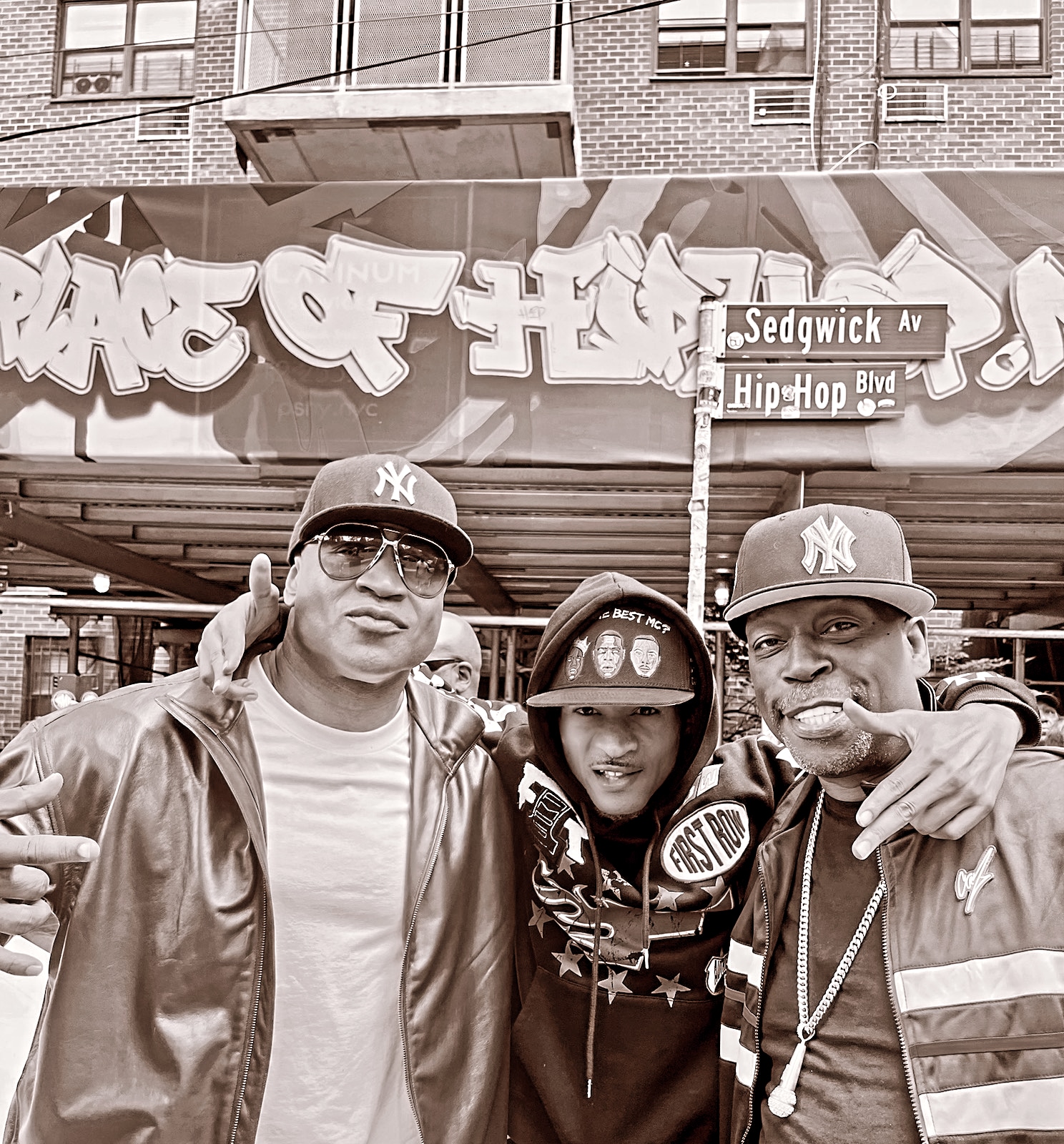
- Body image provenance: Crottyajohn/Wikimedia Commons, CC BY 4.0