The connection between reggae, dub and hip-hop is not a one-line family tree. It is a story about people, systems and techniques moving across the Caribbean and New York: Jamaican sound-system culture, engineers treating the mixing board as an instrument, migrants carrying listening habits with them, and Bronx DJs building something new around breakbeats, dancers and neighborhood parties.
That distinction matters. Saying “dub became hip-hop” erases the African American and Puerto Rican communities that shaped hip-hop in the Bronx. Saying the two histories have nothing to do with each other ignores DJ Kool Herc’s Jamaican upbringing, the sound-system model behind his equipment and presentation, and the broader Caribbean presence in New York. The useful question is not who can claim a single invention. It is which creative ideas traveled, and how musicians changed those ideas when they reached a new room.
The short version: reggae supplied records and rhythms; sound systems supplied a public-performance model; dub made the mix itself creative material; Kool Herc adapted sound-system scale and emphasis to Bronx funk breaks; hip-hop then developed its own DJ, MC, dance and visual languages.
Sound-system culture made recorded music a public event
A Jamaican sound system was more than a pile of speakers. It was a mobile musical organization: an owner, selector, amplifier and speaker rig, deejays speaking over records, crew members, exclusive dubplates and a reputation earned in competition. The sound had to command a dance, not merely reproduce a record faithfully.
That environment changed what counted as musical authorship. The selector’s sequence, the deejay’s voice, the power and tuning of the system, and the crowd’s response all shaped the performance. A commercially released record could become one component in a larger event. Crews competed for impact and exclusivity, which encouraged producers to create alternate mixes and custom versions that rival systems did not have.
The culture also trained listeners to hear the rhythm section as architecture. Bass and drums were not background support; through a large system, they organized the physical space. That bass-first logic would remain important when Jamaican-born Clive Campbell—later DJ Kool Herc—built a system for Bronx parties.
Version culture turned one recording into a family of records
In Jamaican music, a successful rhythm could support several related releases. A vocal record might be followed by an instrumental version, a deejay performance over the same rhythm and a dub mix that removed, delayed or radically rearranged elements. The exact history differs from record to record, but the broader principle is consistent: the master was not necessarily the final form.
| Form | What changes | What the listener follows |
|---|---|---|
| Vocal release | Lead performance and song structure are foregrounded. | Lyrics, melody, groove and arrangement. |
| Instrumental or version | The lead vocal is reduced or removed while the rhythm remains available. | Bass, drums, accompaniment and space for a deejay. |
| Dub mix | Tracks enter and disappear; echo, reverb, filtering and level changes become structural. | The mix as a performance with tension, absence and surprise. |
| Deejay cut | A new rhythmic vocal performance rides the established rhythm. | Flow, timing, personality and the interaction with the backing track. |
This is not sampling in the later digital sense. It is a production and release network built from common recorded material. But it prepares the ear for a crucial modern idea: recordings can be reorganized, extended and answered instead of treated as untouchable finished objects.
Dub moved the engineer from technician to performer
Dub’s radical move was not simply adding echo to reggae. Engineers used the console, tape machines and effects as real-time compositional tools. A vocal might surface for one phrase and vanish. A snare hit could trigger a long echo that created a new rhythm. The bass could remain almost alone, making the return of horns or voice feel dramatic.
King Tubby’s electrical knowledge and studio practice helped define this approach. Lee “Scratch” Perry pursued a different but equally experimental path as a producer, arranger and studio auteur at the Black Ark. Their work overlaps historically, but they should not be collapsed into one role. Tubby is central to the craft of dub mixing and sound-system engineering; Perry’s productions often begin transforming the performance and recording process before the final mix.
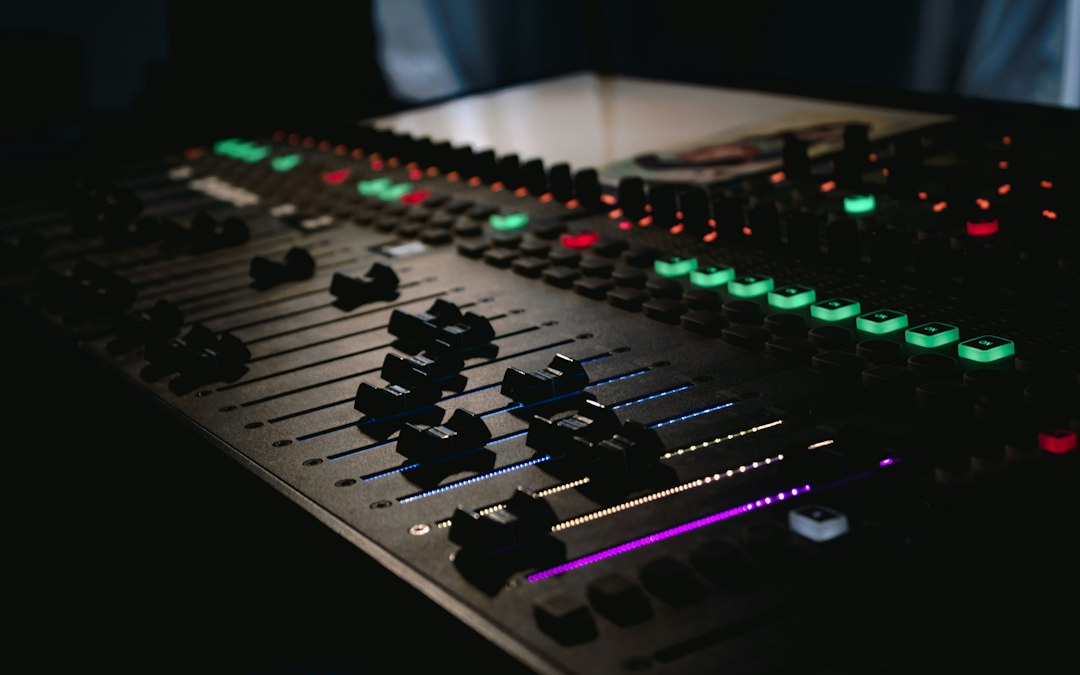
Listen for subtraction before effects. Removing a guitar, vocal or horn line changes the balance of everything left behind. Echo and reverb then make the empty space audible. The result is less like decorating a completed mix and more like exposing an alternate composition hidden inside the multitrack.
Lee “Scratch” Perry shows why production history needs people, not just gear
Perry’s importance cannot be reduced to a list of studio tricks. His productions brought together musicians, arrangement, recording, tape manipulation, room sound and an unusually personal sense of sonic theater. The Black Ark became famous because those elements worked as a system, not because one machine supplied a magic preset.
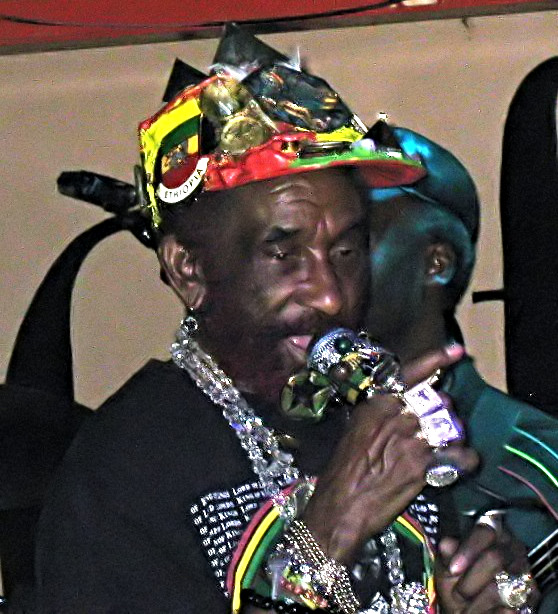
That human element is one reason the phrase “the studio as an instrument” can be misleading when used casually. An instrument still requires choices. Perry and Tubby heard relationships among rhythm, space and repetition that other engineers could have missed using the same controls.
What actually traveled from Jamaica to DJ Kool Herc’s Bronx parties
Kool Herc was born in Jamaica and moved to New York while young. The Rock & Roll Hall of Fame credits him with bringing Jamaican sound-system traditions into his Bronx practice, while Smithsonian collections preserve images of Herc with the large systems that became part of his identity. The connection is visible in scale, presentation and the central authority of the DJ.
But Herc did not reproduce a Kingston dance in New York. He learned which records moved his Bronx audience and focused on the percussion-heavy breaks inside funk, soul and rock records. Using two copies of a record, he could move between the same break and extend the section dancers wanted. The Rock Hall describes this isolation and looping of the break as a foundation on which later DJs and artists built.
The source music changed, the dancers shaped the demand, and the surrounding culture was specifically New York. That is why “Jamaican influence” is more accurate than “Jamaican invention of hip-hop.” A migrant brought experience into a community that transformed it.
Toasting and Bronx MCing share a stage without becoming the same tradition
Jamaican deejays developed rhythmic speech, boasts, introductions and commentary over records and versions. Bronx MCs also animated parties, named crews, addressed dancers and developed increasingly elaborate rhymes. The resemblance is real enough to study, especially around the role of a voice working with a DJ rather than replacing one.
The histories are not identical. Bronx MCing grew through African American verbal traditions, neighborhood competition, local slang, group routines and the changing musical demands of hip-hop parties. Caribbean influence entered a scene that already contained its own traditions. Treating MCing as a simple import would be just as inaccurate as pretending migration had no effect.
The shared idea is control over recorded sound
The strongest connection between dub and hip-hop is a way of thinking. The recording is material that can be performed.
| Practice | Primary tool | Creative decision |
|---|---|---|
| Dub mixing | Multitrack tape, console and effects | Which elements remain, disappear, echo or return. |
| Breakbeat DJing | Two turntables, mixer and duplicate records | Which section deserves extension and how the transition preserves momentum. |
| Sample-based production | Sampler or digital audio workstation | Which recorded fragment becomes a new pattern, texture or arrangement. |
The tools are not interchangeable, and later sampling creates legal and authorship questions that a live DJ break or Jamaican version release may handle differently. Still, all three practices reject the idea that playback must be passive. Selection, timing and transformation become forms of musicianship.
PCMusicMax may earn from qualifying purchases through approved links.
For readers learning the production side: the GearReady home-studio collection is the relevant equipment path. Gear does not recreate the history; it only gives modern producers tools for practicing arrangement, routing and effects.
A six-stop listening route that reveals the production logic
- Start with a vocal reggae recording and its version. Notice what becomes newly audible when the lead voice is removed.
- Move to King Tubby’s mixes. Follow the bass and drums, then mark every entrance, dropout and echo return. The drama is in the timing.
- Hear Lee Perry’s Black Ark productions. Listen beyond effects for arrangement, texture, room sound and the personality of the full production.
- Add a Jamaican deejay performance. U-Roy is an essential reference for hearing how a voice can converse with an existing rhythm instead of simply singing a conventional lead.
- Study Herc’s breakbeat principle. Choose a funk record with a short percussion break and imagine why dancers would want that particular passage extended.
- Finish with an early sample-based hip-hop production. Compare how digital or hardware sampling can preserve, chop or completely disguise its source.
This route is more revealing than a playlist that jumps directly from a dub track to a rap single and declares them equivalent. The point is to hear changes in function: rhythm as backing, rhythm as version, recording as mix material, and break as the center of a new party performance.
Three myths that flatten the history
“Dub and hip-hop use the same technique”
They share a willingness to transform recordings, but classic dub mixing works from multitrack elements and effects while breakbeat DJing works from finished records at turntables. Sampling introduces yet another workflow. Similar philosophy does not mean identical mechanics.
“Kool Herc played Jamaican music and hip-hop appeared”
Herc’s Jamaican background informed his sound-system approach, but his Bronx breakthrough depended on selecting breaks from records his local audience wanted, extending them for dancers and working within a new community. Translation, not replication, is the key.
“One inventor explains the whole story”
Founders matter, but scenes are collective. Producers, engineers, musicians, sound-system crews, dancers, MCs, promoters and neighborhoods all shaped the practices that survived. A useful history names pivotal people without turning everybody around them into scenery.
Frequently asked questions
Did reggae create hip-hop?
No single genre or person created hip-hop alone. Jamaican sound-system culture and Kool Herc’s background were important influences, while hip-hop developed through the specific African American, Puerto Rican and Caribbean communities of the Bronx.
What did dub contribute to modern production?
Dub demonstrated how subtraction, routing, echo, reverb, filtering and real-time mixing could turn an existing recording into a distinct composition. Its influence can be heard across remix culture and many forms of electronic production.
Why is DJ Kool Herc central to this story?
Herc connected the scale and presentation of Jamaican sound systems with a Bronx practice centered on extended funk and soul breaks. His parties helped make the DJ and the break foundational to early hip-hop.
Are toasting and rapping the same thing?
No. They are related forms of rhythmic speech over recorded music, but they developed in different social and musical settings. Their interaction is part of the story; treating one as a direct copy of the other is not.
The bottom line
Reggae, dub and hip-hop belong on the same map because people and production ideas moved between them. They should remain separate landmarks on that map. Sound systems made records social and competitive. Version culture kept recordings open. Dub turned mixing into composition. Kool Herc carried Jamaican experience into a Bronx environment that reorganized it around breaks and dancers. Hip-hop then developed far beyond any one input.
Continue with PCMusicMax’s history of the Amen break, follow the Larry Smith production timeline, or browse Music History for more connections built from credits and production evidence.
Sources and further reading
- Rock & Roll Hall of Fame — DJ Kool Herc
- Smithsonian National Museum of African American History and Culture — DJ Kool Herc with sound system
- Smithsonian National Postal Museum — Hip-hop history
- GRAMMY — DJ Kool Herc and Cindy Campbell on hip-hop’s Jamaican roots
- GRAMMY — Dub production and mixing as performance
- Jamaica Observer — Reggae’s production influence